Bollywood Thriller 'The Prisoner' Packs Emotional Punch Despite 19-Minute Runtime
The Prisoner (2026): A Short Film That Packs a Mighty Punch in Bollywood
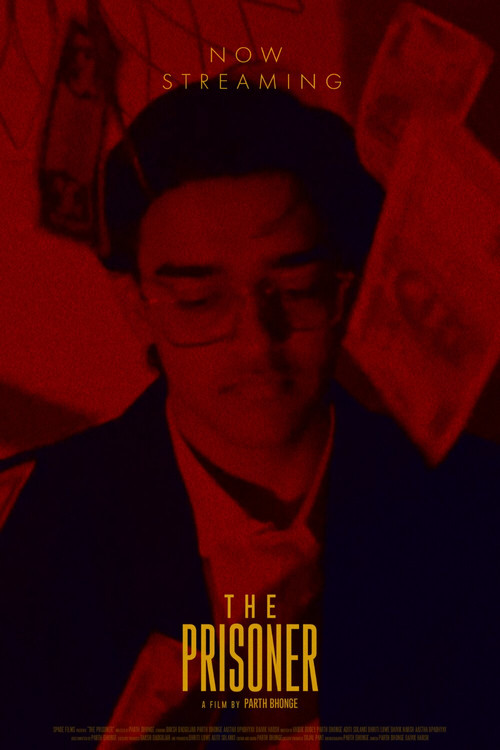
At first glance, The Prisoner, directed by Parth Bhonge and starring Daksh Badgujar, appears to be a deceptively simple short film. Its runtime of 19 minutes belies the complexity of its narrative and the performances that elevate it to new heights. One of the most surprising aspects of The Prisoner is its use of time dilation, where the film's protagonist, Daksh, becomes trapped in a world that moves at a different pace. This phenomenon may remind viewers of the iconic short films by Christopher Nolan, who often experimented with non-linear storytelling. However, The Prisoner is no mere imitation, and its unique take on time manipulation adds a fresh layer to the film.
The Performance of Daksh Badgujar: A Masterclass in Portraying Turmoil
Daksh Badgujar's performance as Daksh is nothing short of breathtaking. His ability to convey the internal turmoil and mental battles that Daksh faces is a testament to his skill as an actor. Badgujar's eyes seem to hold a world of emotion, and his body language is a masterclass in conveying tension and anxiety. His character's interactions with the two people he talks to – Maaya and Yatharth – are particularly noteworthy, as he brings a sense of depth and nuance to these characters. The way he reacts to the presence of the new admirer, played by Aastha Upadhyay, is a highlight of the film, as he struggles to maintain his grip on reality.
The Director's Vision: A Blend of Psychological Thriller and Emotional Drama
Parth Bhonge's direction is a key aspect of The Prisoner, as he seamlessly blends elements of psychological thriller and emotional drama. The film's use of lighting, sound, and camera angles creates a sense of unease and tension, drawing the viewer into Daksh's world. Bhonge's decision to keep the narrative straightforward and easy to follow is a clever move, as it allows the viewer to focus on the performances and the technical aspects of the film. The way he uses the short runtime to maximum effect is also noteworthy, as he packs a punch that would be the envy of many longer films.
The Score and Sound Design: Creating a Sense of Isolation and Desolation
The score and sound design in The Prisoner are equally impressive, as they work in tandem to create a sense of isolation and desolation. The use of silence is particularly noteworthy, as it adds to the sense of unease and tension. The sound effects are carefully crafted to create a sense of claustrophobia, drawing the viewer into Daksh's world. The score, composed by a talented young artist, is haunting and evocative, perfectly capturing the mood and atmosphere of the film.
The Themes of Mental Health and Loneliness: A Timely and Thought-Provoking Exploration
At its core, The Prisoner is a film about mental health and loneliness. Daksh's struggles with his mental battles and his relationships with Maaya and Yatharth serve as a powerful metaphor for the human condition. The film's exploration of these themes is timely and thought-provoking, as it highlights the importance of human connection in our increasingly isolated world. Bhonge's decision to keep the film's tone somber and introspective is a deliberate choice, as it allows the viewer to reflect on their own experiences and emotions.
Final Verdict: A Masterclass in Short Film-Making
In conclusion, The Prisoner is a masterclass in short film-making. Parth Bhonge's direction, Daksh Badgujar's performance, and the film's technical aspects all come together to create a film that is both a powerful exploration of mental health and a technical achievement. The film's use of time dilation and its exploration of loneliness and human connection make it a timely and thought-provoking watch. If you're a fan of short films or simply looking for a film that will challenge your emotions and perspectives, The Prisoner is a must-watch.
Frequently Asked Questions (FAQs)
Q: What inspired the film's use of time dilation?
A: According to the director, Parth Bhonge, the film's use of time dilation was inspired by the concept of time dilation in physics. Bhonge wanted to explore the idea of time moving at different rates for different people, and how this could affect one's perception of reality.
Q: How did the cast prepare for their roles?
A: Daksh Badgujar, the lead actor, underwent intense preparation for his role, including research on mental health and therapy. Aastha Upadhyay, who played the new admirer, worked closely with Bhonge to develop her character's backstory and motivations.
Q: What's next for Parth Bhonge and Daksh Badgujar?
A: Parth Bhonge is working on a new feature-length film, while Daksh Badgujar is set to star in a upcoming Bollywood blockbuster. Both artists are expected to continue making waves in the industry with their innovative and thought-provoking work.
Disclaimer: The views and opinions expressed in this article are those of the author and do not necessarily reflect the official policy or position of CinemaVerse.