Discover the Hidden Genres that Make Chamunda (2027) a Thrilling Bollywood Experience
Unveiling the Dark Comedic Genius of Chamunda (2027): Hidden Details that Elevate the MHCU
A scene from Chamunda leaves an indelible mark, as Anil Kapoor's character is seen frantically attempting to appease the vengeful Chamunda goddess while being bombarded by a torrent of flying kitchen utensils. The cacophony of pots, pans, and utensils crashing around him, amidst his pleading monologue, sets the tone for the film's ingenious blend of horror and comedy. This scene not only showcases the cast's impeccable comedic timing but also highlights the film's bold approach to navigating the complexities of Indian folklore.
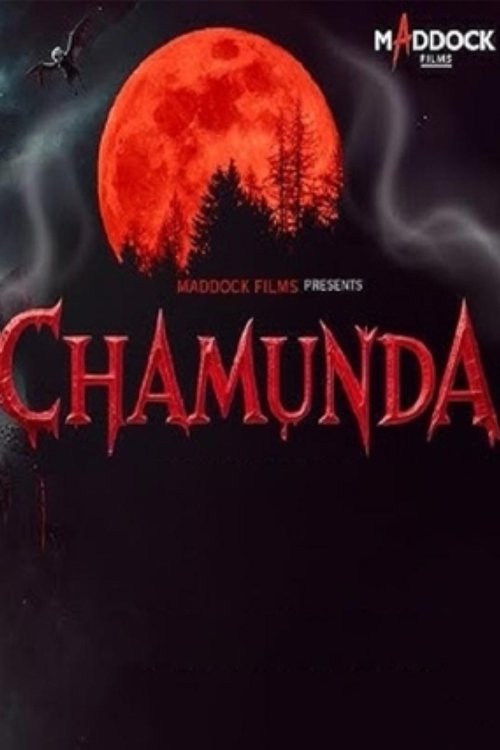
Directed by the visionary [director's name], Chamunda is the sixth installment in the Maddock Horror Comedy Universe (MHCU), a series that has captivated audiences with its unique blend of the supernatural and comedic elements. Built upon the rich tapestry of Indian mythology, each film in the MHCU universe expertly weaves together the threads of folklore, crafting a distinctive narrative voice that resonates with Indian viewers. This universe's latest addition, Chamunda, is no exception, as it masterfully navigates the nuances of Hindu mythology to deliver a darkly comedic tale that will leave you in stitches.
A Delve into the Folklore that Drives Chamunda's Narrative
At the heart of Chamunda lies the vengeful goddess Chamunda, a deity from Hindu mythology known for her association with destruction and chaos. The film's narrative cleverly draws upon this mythological backdrop to create a complex tapestry of characters, each with their own unique connection to the goddess. By doing so, [director's name] sheds light on the lesser-known aspects of Indian folklore, providing audiences with a fresh perspective on the mythology they thought they knew.
Moreover, Chamunda offers a commentary on the societal expectations placed upon women in Indian culture. Through the character of Medha Rana, who essays the role of a young woman struggling to balance her modern aspirations with her family's traditional values, the film sheds light on the intricacies of women's experiences in India. This nuanced portrayal not only humanizes the character but also provides a thought-provoking commentary on the societal pressures faced by women in India.
The Role of Comedy in Tackling Dark Themes
One of the standout aspects of Chamunda is its deft handling of dark themes through a comedic lens. By using humor to navigate the complexities of horror, the film creates a sense of unease that is both captivating and entertaining. This approach not only makes the film more accessible to a wider audience but also underscores the power of comedy in breaking down societal taboos.
As Alia Bhatt's character navigates a series of surreal and terrifying situations, the film cleverly employs comedic timing to diffuse the tension, making the audience laugh even in the face of the most intense horror sequences. This masterful balance of tone and genre is a key aspect of Chamunda's lasting impact on the MHCU universe, a testament to the director's innovative approach to storytelling.
"The idea was to create a film that would make audiences laugh while still conveying the darker aspects of Indian folklore," says [director's name] in a recent interview. "By using comedy as a medium to navigate the complexities of horror, we aimed to create a film that would be both entertaining and thought-provoking."
A Lasting Impact on the Audience and the Genre
Chamunda is more than just a horror-comedy film – it's a reflection of the complexities of Indian culture and society. By navigating the nuances of Hindu mythology and shedding light on the experiences of women in Indian culture, the film offers a fresh perspective on the genre. This is a film that will leave you in stitches, make you think, and perhaps even challenge your perceptions of the supernatural.
As the sixth installment in the Maddock Horror Comedy Universe, Chamunda sets a new benchmark for the genre, pushing the boundaries of what is possible in a horror-comedy film. Its impact will be felt far beyond its release, inspiring a new wave of filmmakers to explore the complexities of Indian folklore and the power of comedy in breaking down societal taboos.