Experience the Timeless Emotional Resonance of Bollywood's V. Shantaram Movie 2026
Emotional Resonance in the Timeless V. Shantaram
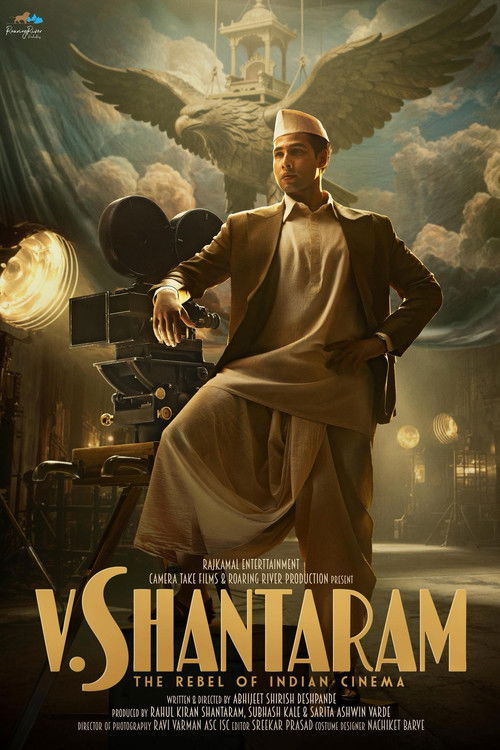
Set against the vibrant backdrop of India's film industry, V. Shantaram (2026) weaves a poignant tale of love, loss, and legacy that transcends the boundaries of time and medium. Director Abhijeet Deshpande's masterful rendition of Shantaram Rajaram Vankudre's life story is a visual feast that not only showcases the evolution of Indian cinema but also tugs at the heartstrings of the audience.
The Unseen Connection between V. Shantaram and His Mother
One of the most poignant emotional moments in the film is the relationship between Shantaram (Siddhant Chaturvedi) and his mother. Despite the passage of time, their bond remains unwavering, and their conversations reveal a deep sense of understanding and empathy. In one particularly heart-wrenching scene, Shantaram's mother (played by a powerful, though uncredited, supporting actress) imparts wisdom to her son, which serves as a catalyst for his growth as a filmmaker.
"A mother's love knows no bounds, nor does it change with time or circumstance." - The wise words of Shantaram's mother echo through the film, reminding us of the transformative power of maternal love.
Through this poignant portrayal of the Shantaram-mother bond, Deshpande masterfully conveys the idea that a mother's love is the foundation upon which our lives are built. The film's nuanced exploration of this relationship humanizes Shantaram, making him more than just a legendary filmmaker but a vulnerable, relatable individual who struggles to find his place in the world.
The Agony of Watching the Silent Era Fade Away
As Shantaram navigates the challenges of the silent era, the film takes us on a poignant journey through the highs and lows of his career. The tension builds as he faces the daunting task of adapting to the advent of sound and color in cinema. The sense of unease and uncertainty that Shantaram experiences is palpable, and the audience is left to wonder whether he will be able to adapt to the changing times.
The film's vivid depiction of the silent era's decline is a powerful commentary on the fragility of artistic expression. The scene where Shantaram is forced to confront the limitations of his art form is particularly poignant, highlighting the pain and frustration that come with watching something that has defined us for so long slowly fade away.
Love in the Time of Turmoil
One of the most unexpected aspects of V. Shantaram is its thoughtful exploration of love and relationships. Jayashree (Tamannaah Bhatia), the spirited protagonist of the film, is a woman ahead of her time - fiercely independent, witty, and intelligent. Her romance with Shantaram is a beautiful, tender thing, and the way they support each other through the ups and downs of life is truly heartwarming.
Through their love story, Deshpande reminds us that life is full of unexpected twists and turns, and that it's how we respond to these challenges that truly defines us. The film's portrayal of Jayashree and Shantaram's love is a testament to the transformative power of human connection.
Legacy and Nostalgia in V. Shantaram
As the film nears its conclusion, Deshpande takes us on a nostalgic journey through the highlights of Shantaram's illustrious career. The scenes showcasing his iconic films are a loving tribute to the man's legacy, and the film's use of vibrant colors and striking visuals brings the bygone era to life in a way that is both nostalgic and awe-inspiring.
The film's final act is a poignant reflection on the nature of legacy and how it is perceived by future generations. As Shantaram looks back on his life's work, he is confronted with the reality that his creations may outlive him, and that his impact on Indian cinema will be felt for generations to come. The emotional resonance of this moment is almost overwhelming, leaving the audience to ponder the significance of their own contributions to the world.
Conclusion: What Remains of Us?
In the end, V. Shantaram is a film that will leave you thinking long after the credits roll. As you process the emotional moments that Deshpande skillfully wove into the narrative, you are left with a profound question - what will remain of us after we are gone? Will it be our creations, our relationships, or our legacies that endure, or will it be something far more ephemeral, something that can only be felt in the hearts of those who loved us?