Exploring Kaleidoscope Now - A Timeless Bengali Cinema Masterpiece
Kaleidoscope Now (2024): Unraveling the Timeless Tapestry of Bengali Cinema
The opening scene of Kaleidoscope Now, directed by Anjan Dutt, is a masterclass in cinematic storytelling. As Ranjan Dutt, played by Savon Chakraborty, navigates the labyrinthine streets of Kolkata, the city's vibrant colors and rhythms pulsate through the frame like a living, breathing entity. The camera dances with him, capturing the kinetic energy of the crowded streets, as the sound design weaves a tapestry of sounds that transport the viewer to a bygone era. This is not just a scene; it's an immersion into the very fabric of Bengali cinema, and a testament to the enduring power of the art form.
The Personal and the Professional: Unpacking the Dual Narrative of Kaleidoscope Now
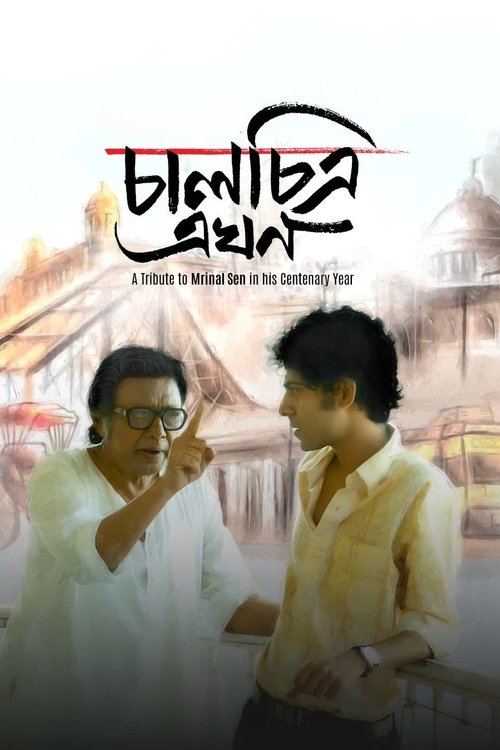
At its core, Kaleidoscope Now is a tribute to the auteur Mrinal Sen, a stalwart of Bengali cinema. The film weaves the personal and professional journeys of Kunal Sen and Ranjan through their collaboration on the ambitious film project, Chaalchitra, in 1981. On the surface, this sounds like a straightforward biopic, but Dutt's direction elevates the narrative to a richer, more complex plane. By interweaving the two storylines, the film creates a sense of temporal dislocation, blurring the boundaries between past and present.
Through the lens of their collaboration, we glimpse the inner lives of these two artists. Kunal, played by Suprobhat Das, is a perfectionist, driven by a passion for storytelling that borders on obsession. Ranjan, on the other hand, is a free spirit, drawn to the art of filmmaking as a means of capturing the beauty of the human experience. Their disparate approaches to art spark a creative tension that fuels the film's narrative engine.
Laughter, Tears, and the Catharsis of Comedy-Drama
One of the most striking aspects of Kaleidoscope Now is its balance of genres. The film effortlessly traverses the realms of history, comedy, and drama, creating a rich tapestry of emotions that engages the viewer on multiple levels. The humor is biting and irreverent, but never at the expense of the narrative's emotional core. In the scene where Kunal and Ranjan engage in a heated argument, the tension is palpable, but it's also undercut by a wry, self-aware humor that humanizes the characters.
Conversely, the film's dramatic moments are charged with a sense of gravitas that's deeply moving. When Ranjan's personal struggles are laid bare, the viewer is invited to share in his pain, creating a sense of catharsis that's both therapeutic and transformative.
"The line between reality and fiction is a thin one," says Ranjan in a pivotal moment of introspection. "But it's precisely this blur that makes art so powerful." This insight is a key takeaway from Kaleidoscope Now, a film that celebrates the transformative power of art to shape our perceptions of time, identity, and the human condition.
A Tribute to Mrinal Sen: The Legacy of a Cinema Icon
As a tribute to Mrinal Sen, Kaleidoscope Now is a loving, but also a rigorous, examination of his legacy. The film excavates the stories that lie behind his iconic films, revealing the creative struggles and personal sacrifices that contributed to his art. Through this lens, we gain a deeper understanding of Sen's unique vision, which blended the personal and the political, the historical and the mythological, to create a cinematic universe that's both timeless and timely.
Conclusion: Whose Kaleidoscope, Now?
Kaleidoscope Now is a film that will resonate deeply with fans of Bengali cinema, as well as those who appreciate a good comedy-drama. The film's complex interplay of genres, its richly layered narrative, and its commitment to exploring the human condition make it a compelling watch. For viewers who enjoy a cinematic experience that's both nostalgic and forward-thinking, Kaleidoscope Now is an unmissable treat. However, those who prefer more straightforward narratives may find themselves lost in the film's intricate web of stories.