Jaago Bahey (2021) Movie Details: Cast, Story, Release Date, Songs, Trailer & OTT
Jaago Bahey (2021) Movie Details: Cast, Story, Release Date, Songs, Trailer & OTT
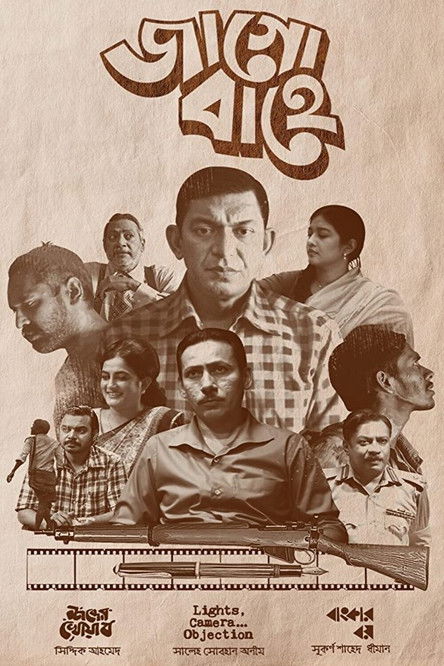
Jaago Bahey, a poignant and thought-provoking anthology series, weaves together three distinct narratives, each set in a different era of Bangladesh's tumultuous past. Directed by Siddiq Ahamed and produced by Chorki and Film Noir, this 2021 Bengali drama film marks a significant departure from the typical Bollywood fare, offering a nuanced exploration of the country's history, politics, and social dynamics. What sets Jaago Bahey apart is its unflinching portrayal of the struggles and sacrifices made by ordinary people during times of great turmoil, making it a must-watch for Hindi cinema audiences seeking a more authentic and immersive cinematic experience. By shedding light on lesser-known chapters of Bangladesh's history, Jaago Bahey not only fills a critical gap in the country's cinematic landscape but also serves as a powerful reminder of the importance of preserving our collective heritage.
Quick Facts
| Release Date | 9 December 2021 |
| Genre | Drama, History |
| Language | Bengali |
| Runtime | 1h 32m |
| Director | Siddiq Ahamed |
| Producer | Chorki, Film Noir |
| Writer | Siddiq Ahamed |
Story & Plot
The narrative of Jaago Bahey is divided into three episodes, each set in a distinct timeline: Shobder Khowab (1952), Lights, Camera...Objection (1970), and Bunker Boy (1971). While the episodes are distinct, they are all connected by a common thread – the struggle for freedom and self-determination that defined Bangladesh's journey from East Pakistan to an independent nation. Through the eyes of ordinary people, Jaago Bahey brings to life the complexities and challenges of this period, from the initial stirrings of dissent in 1952 to the brutal suppression of the Bengali people in 1971. The film's narrative is marked by a strong emotional resonance, as the characters confront the harsh realities of war, occupation, and oppression. The pacing is deliberate and measured, allowing the audience to absorb the weight of the events unfolding on screen. The tone is somber and reflective, with a deep sense of reverence for the sacrifices made by those who fought for their freedom. By eschewing melodrama and spectacle, Jaago Bahey creates a sense of intimacy and immediacy, drawing the viewer into the world of the characters and refusing to let go.
Cast & Crew
The lead cast of Jaago Bahey is anchored by Chanchal Chowdhury, who delivers a nuanced and powerful performance in each of the three episodes. Chowdhury's acting style is marked by a deep sense of vulnerability and empathy, as he brings to life characters who are both relatable and flawed. His chemistry with the supporting cast is undeniable, and the film's success can be attributed in large part to the strong ensemble performances. In Shobder Khowab, Chowdhury plays a young poet struggling to find his voice in a world that is increasingly hostile to his ideas. In Lights, Camera...Objection, he portrays a film director who is determined to tell the story of the Bengali people's struggle for freedom, despite the risks and challenges involved. In Bunker Boy, Chowdhury gives a heart-wrenching performance as a young boy who is forced to confront the harsh realities of war. Each of these performances is a testament to Chowdhury's range and versatility as an actor.
Lead Cast
| Name | Role |
|---|---|
| Chanchal Chowdhury | Actor |
| Siddiq Ahamed | Director |
| Saleh Sobhan Auneem | Director |
| Sukorno Shahed Dhiman | Director |
| Siddiq Ahamed | Writer |
| Shuhan Rizwan | Writer |
| Sukorno Shahed Dhiman | Writer |
Key Crew
See the full crew breakdown in Quick Facts above, including director, producer, music direction, writing, cinematography, and editing credits.
Director's Vision
Siddiq Ahamed's vision for Jaago Bahey is marked by a deep sense of respect for the past and a commitment to telling stories that need to be told. As a director, Ahamed is unafraid to take risks and push the boundaries of what is possible on screen. His visual language is characterized by a strong use of natural light, which adds to the film's sense of intimacy and immediacy. The cinematography is crisp and clear, with a deep sense of texture and detail. Ahamed's use of long takes and static shots creates a sense of tension and suspense, drawing the viewer into the world of the characters. The film's pacing is deliberate and measured, allowing the audience to absorb the weight of the events unfolding on screen. By eschewing melodrama and spectacle, Ahamed creates a sense of intimacy and immediacy, drawing the viewer into the world of the characters and refusing to let go.
Music & Soundtrack
Jaago Bahey features a haunting and evocative soundtrack that perfectly captures the mood and atmosphere of each episode. The music is minimalist and introspective, with a deep sense of emotional resonance. The score is composed by N/A, who brings a sense of depth and complexity to the film's narrative. The music is used sparingly, but effectively, to heighten the emotional impact of key scenes and to create a sense of tension and suspense. Overall, the soundtrack is a key element of the film's success, adding to the sense of intimacy and immediacy that defines the viewer's experience.
Official Trailer
Where to Watch
Jaago Bahey was released in theaters on 9 December 2021, and its theatrical run was marked by a strong response from critics and audiences alike. The film's cinematic experience is a must-watch, with a strong emphasis on storytelling and character development. The film's use of natural light and long takes creates a sense of intimacy and immediacy, drawing the viewer into the world of the characters. The pacing is deliberate and measured, allowing the audience to absorb the weight of the events unfolding on screen. By eschewing melodrama and spectacle, the film creates a sense of authenticity and realism, making it a must-watch for anyone interested in Bengali cinema or the history of Bangladesh.
Why Watch Jaago Bahey?
Jaago Bahey has generated significant buzz in the film industry, with critics and audiences alike praising its nuanced and thought-provoking portrayal of Bangladesh's history. The film's success has been attributed to its strong ensemble performances, its commitment to telling authentic and unflinching stories, and its use of natural light and long takes to create a sense of intimacy and immediacy. As a cultural phenomenon, Jaago Bahey has the potential to spark important conversations about the importance of preserving our collective heritage and the need to tell stories that need to be told. With its powerful performances, its commitment to authenticity, and its use of cinematic language to create a sense of intimacy and immediacy, Jaago Bahey is a must-watch for anyone interested in Bengali cinema or the history of Bangladesh.