Krishna Aur Chitthi (2026) Review: A Heartwarming Comedy That Balances Fandom and Faith
Laughter and Tears: Unpacking the Soul-Stirring Comedy in Krishna Aur Chitthi (2026)
Krishna Aur Chitthi, the 2026 blockbuster from Bollywood, is a family drama that cleverly walks the tightrope between fandom and faith, leaving audiences in stitches and tears. This film can be compared to the iconic 2003 film Kal Ho Naa Ho, which, like Krishna Aur Chitthi, masterfully wove a tale of love, loss, and life's complexities.
Themes of Fandom and Faith
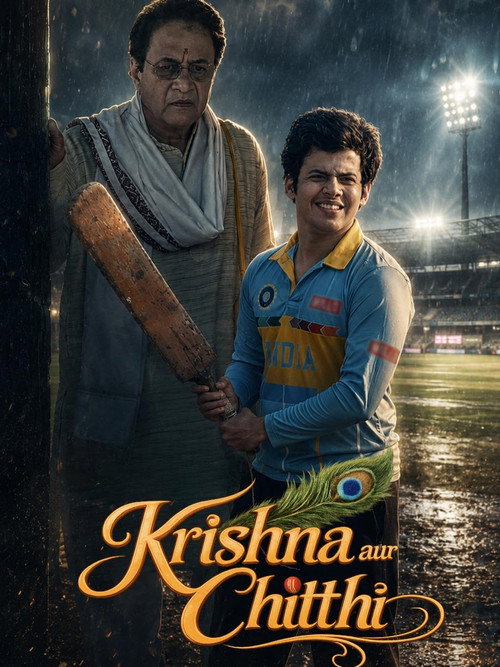
A key theme of Krishna Aur Chitthi is the blurred lines between fandom and faith. Director Vinay Bhardwaj skillfully weaves together the story of a cricket enthusiast, Panditji, who harbors an unrelenting devotion to the Lord, much like the fervor he displays for cricket. This dichotomy highlights the common ground between worship and fandom, showcasing how, when our intentions are pure, our prayers, whether directed to a divine being or a sports idol, reach their intended destination.
Comedic Highlights and Satire
The film's comedic highlights are courtesy of Panditji's unorthodox approach to his faith and fandom. Arun Govil's portrayal of this eccentric character brings much-needed levity to an otherwise heavy narrative. The film also uses satire to comment on the societal pressures and expectations that often accompany the label of "true" devotion. By poking fun at such societal norms, Krishna Aur Chitthi invites the audience to reflect on their own relationship with faith, love, and sports.
Middle-Class Values and Family Dynamics
Krishna Aur Chitthi delves into the intricacies of middle-class values and family dynamics in contemporary India. The film's portrayal of MLA Iqbal Qureshi, a wealthy politician with deep family ties, serves as a commentary on the corrupting influence of power and the importance of maintaining family relationships amidst the chaos of public life. Director Vinay Bhardwaj's nuanced exploration of these themes humanizes the characters, making their stories relatable and compelling.
Character Development and Dialogue
The characters in Krishna Aur Chitthi are multidimensional, complex, and full of life. The dialogue, penned by Vinay Bhardwaj, is natural, witty, and often laugh-out-loud funny. One notable aspect of the film's dialogue is the way it uses everyday situations and conversations to drive home deeper themes and emotions. This masterful storytelling creates an immersive experience for the audience, drawing them into the world of the characters.
Critical Takeaway
"Krishna Aur Chitthi is not just a film about faith and fandom; it's a powerful commentary on human relationships, societal pressures, and the blurred lines between devotion and idolization."
Final Verdict: Who Should Watch Krishna Aur Chitthi (2026)?
Krishna Aur Chitthi is a soul-stirring comedy that will resonate with viewers of all ages and backgrounds. While it may not be to everyone's taste, this film is a must-watch for those who appreciate nuanced storytelling, complex characters, and a healthy dose of laughter and tears. If you're a fan of satire, social commentary, or just a good story well-told, then Krishna Aur Chitthi is definitely worth your time. However, viewers seeking mindless entertainment or a generic Bollywood rom-com may find themselves disappointed.
Frequently Asked Questions (FAQs)
Q: Is Krishna Aur Chitthi a light-hearted comedy?
P: While Krishna Aur Chitthi has its comedic moments, it's not a traditional light-hearted comedy. The film tackles serious themes and tackles them with a depth that may not appeal to all audiences.
Q: Is there a romantic subplot in the film?
P: You'll find a few romantic subplots woven throughout the narrative, but they're not the primary focus of the story. The film's core themes revolve around faith, fandom, and family dynamics.
Q: Is Krishna Aur Chitthi suitable for family viewing?
P: Yes, Krishna Aur Chitthi is a family-friendly film, but parental discretion is advised due to some mild language and mature themes.
Disclaimer: The views and opinions expressed in this article are those of the author and do not necessarily reflect the official policy or position of CinemaVerse.