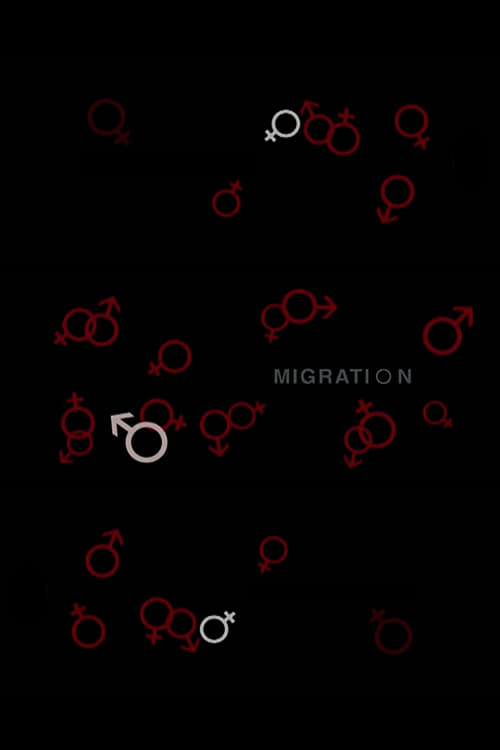
Migration (2008) Movie Details: Cast, Story, Release Date, Songs, Trailer & OTT
Migration (2008) Movie Details: Cast, Story, Release Date, Songs, Trailer & OTT
Migration, a 2008 Hindi drama short film, delves into the uncharted territories of India's AIDS epidemic, weaving an intricate narrative that transcends socio-economic boundaries. Directed by the acclaimed Mira Nair, this film is part of a four-film series, each shedding light on the devastating impact of the virus on Indian society. As the film's title suggests, migration is not just a physical movement but also a metaphorical one, as the virus traverses the country, leaving a trail of heart-wrenching stories in its wake. With its unique blend of urban and rural settings, Migration offers a nuanced portrayal of India's complex social landscape, making it a must-watch for Hindi cinema enthusiasts.
Quick Facts
| Release Date | 7 March 2008 |
| Genre | Drama, Short |
| Language | Hindi |
| Runtime | 19m |
| Director | Mira Nair |
| Producer | Freny Khodaiji |
| Writer | Zoya Akhtar |
| Cinematography | Jay Jay Odedra |
| Editor | Barry Alexander Brown |
Story & Plot
At its core, Migration is a thought-provoking exploration of the AIDS epidemic in India, a country where the virus has become a great class leveler. The film interweaves multiple storylines, each highlighting the transmission of the virus through different characters, their struggles, and their ultimate fate. Set against the backdrop of rural and urban India, Migration takes the audience on a poignant journey, showcasing the devastating consequences of the epidemic on individuals, families, and communities. Through its powerful narrative, the film sheds light on the stigma, ignorance, and fear surrounding HIV/AIDS, making it a vital contribution to the conversation around this critical issue. With its unflinching portrayal of reality, Migration leaves a lasting impact on the viewer, making it a standout in the realm of Hindi cinema.
Cast & Crew
The ensemble cast of Migration brings to life the complex characters, each with their own unique struggles and emotions. Tinnu Anand, a seasoned actor, delivers a nuanced performance as a rural farmer, grappling with the loss of his loved one to the virus. Raima Sen, with her versatility, brings depth to her character, a young woman struggling to cope with the diagnosis. Ashok Beniwal, Sameera Reddy, and Irrfan Khan, among others, deliver standout performances, adding to the film's emotional resonance. Sulabha Deshpande, a veteran actress, brings a sense of gravitas to her role, making her character's journey all the more poignant. The cast's chemistry is palpable, making their interactions feel authentic and heartfelt.
Lead Cast
| Name | Role |
|---|---|
| Tinnu Anand | Birju's Father |
| Raima Sen | Yamuna |
| Ashok Beniwal | Construction Supervisor |
| Sameera Reddy | Divya |
| Sulabha Deshpande | Abhay's Mother |
| Irrfan Khan | Abhay |
| Satish Kaushik | Mr. Nanda |
| Tanvi Azmi | Mrs. Nanda |
| Arjun Mathur | Imran |
| Vijay Raaz | Actor |
| Sadiya Siddiqui | Nurse (uncredited) |
| Shiney Ahuja | Birju |
| Mira Nair | Director |
| Freny Khodaiji | Producer |
| Shernaz Italia | Producer |
| Mira Nair | Executive Producer |
| Stephanie Carroll | Production Design |
| Jay Jay Odedra | Director of Photography |
| Zoya Akhtar | Screenplay |
| Arjun Bhasin | Costume Design |
| Barry Alexander Brown | Editor |
| Mychael Danna | Original Music Composer |
Key Crew
See the full crew breakdown in Quick Facts above, including director, producer, music direction, writing, cinematography, and editing credits.
Director's Vision
Mira Nair's direction in Migration is a masterclass in storytelling, weaving together multiple narratives to create a rich tapestry of human experience. Her vision is characterized by a deep empathy for her characters, each of whom is grappling with the devastating consequences of the AIDS epidemic. Nair's use of cinematography, courtesy of Jay Jay Odedra, is a testament to her creative ambition, capturing the beauty and brutality of India's rural and urban landscapes. The film's tone is contemplative, yet unflinching, making it a powerful commentary on the state of India's healthcare system. With her ability to balance multiple storylines, Nair creates a narrative that is both intimate and epic, making Migration a standout in the realm of Hindi cinema.
Music & Soundtrack
One of the notable aspects of Migration is its decision to forego a traditional soundtrack, instead opting for a more subtle approach to music. The background score, while minimal, is effective in enhancing the emotional impact of key scenes. The film's musical mood is contemplative, reflecting the somber tone of the narrative. While the soundtrack may not be a traditional one, it adds to the film's overall impact, making it a poignant and memorable viewing experience.
Where to Watch
Migration, a 19-minute short film, was released on 7th March 2008, as part of a four-film series on the AIDS epidemic in India. The film's theatrical release strategy was focused on creating a cinematic experience that would engage audiences and spark a conversation around the critical issue of HIV/AIDS. While the film may not be widely available on popular streaming platforms, it can be accessed through various film archives and online repositories, making it a treasure trove for film enthusiasts and researchers.
Why Watch Migration?
Migration generated significant buzz in the film industry, with audiences and critics alike anticipating a powerful and poignant portrayal of India's AIDS epidemic. The film's unique blend of urban and rural settings, coupled with its unflinching narrative, made it a standout in the realm of Hindi cinema. As a cultural significance, Migration marked a turning point in India's conversation around HIV/AIDS, highlighting the need for greater awareness, understanding, and support for those affected by the virus. With its thought-provoking narrative and powerful performances, Migration remains a vital contribution to the conversation around this critical issue, making it a must-watch for audiences today.