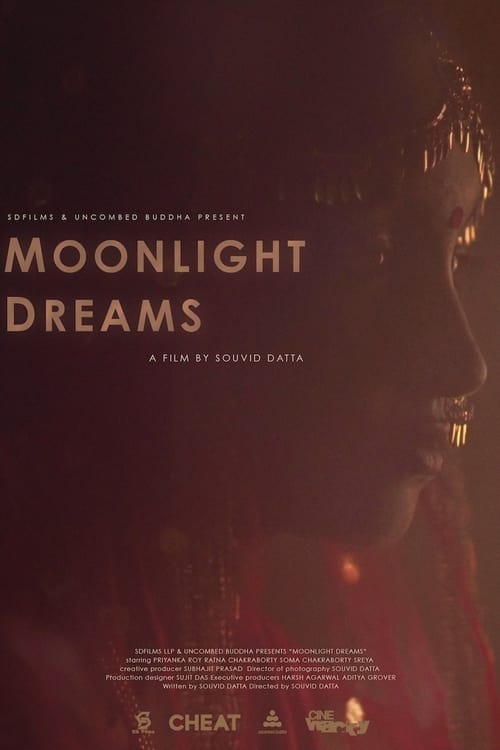
Moonlight Dreams: A Haunting Exploration of Rural West Bengal's Unseen Realities in Bengali Cinema
Moonlight Dreams Shines a Light on Bengali Cinema's Unseen Realities
Moonlight Dreams, a poignant 2020 drama from Souvid Datta, is a quietly powerful exploration of the unspoken struggles faced by women within rural West Bengal's patriarchal society. The 20-minute short, nestled firmly within the traditions of Bengali Cinema, leaves a lasting impact through its unflinching portrayal of the complex relationships between mothers, sisters, and daughters.
A Glimpse into the Unseen
At its core, Moonlight Dreams is a nuanced drama that humanizes the experiences of individuals often relegated to the periphery of mainstream narratives. Director Souvid Datta, who also serves as the film's Director of Photography, masterfully captures the subtleties of human emotion through a deliberate use of light and composition. This deliberate choice creates an immersive atmosphere, drawing the viewer into the intimate world of the characters.
The performances of Ratna Chakraborty as Krishna, Soma Chakraborty as Krishna's Mother, and Priyanka Ghosh Roy as Tara, are a testament to the depth of emotional expression achievable in the realm of Bengali Cinema. Each actor brings a level of authenticity to their role, making the characters' struggles feel both deeply personal and universally relatable.
One of the most striking aspects of Moonlight Dreams is its ability to balance the weighty themes of patriarchy and oppression within the context of a relatively short runtime. The film's concise narrative is a deliberate choice, allowing the viewer to absorb the full emotional impact of the events unfolding on screen.
A Call to Action for Bengali Cinema
Moonlight Dreams is, in part, a tribute to the resilience and strength of women in the face of adversity. The film is also a powerful critique of the societal norms that perpetuate oppression, serving as a call to action for the Bengali film industry to continue pushing the boundaries of storytelling and representation.
We often speak of the need for more diverse perspectives in cinema, but Moonlight Dreams reminds us that true change begins with the smallest, most personal stories. By exploring the unseen realities of rural West Bengal, the film provides a compelling argument for the importance of nuance in storytelling.
A New Era for Bengali Cinema?
Moonlight Dreams marks a significant departure from the typical narratives often associated with Bengali Cinema. Its thoughtful exploration of complex themes and its commitment to authentic storytelling, make it a vital addition to the industry's canon.
The success of films like Moonlight Dreams has the potential to pave the way for a new era of storytelling in Bengali Cinema – one that prioritizes nuance over spectacle, and authenticity over convention. By embracing this shift, the industry can create a more inclusive and representative body of work, one that truly reflects the complexities of the communities it serves.
Moonlight Dreams as a Microcosm for Change
Moonlight Dreams may be a small film, but its impact is anything but. In providing a candid portrayal of life in rural West Bengal, the film shines a light on the unseen realities of the region, and challenges the status quo in the Bengali film industry. As a microcosm forchange, Moonlight Dreams stands as a testament to the power of thoughtful storytelling and the boundless potential of the Bengali Cinema landscape.