Please Don't Beat Me, Sir! (2011) — Cast, Story, Trailer, Songs & All You Need to Know
Please Don't Beat Me, Sir! (2011) — Cast, Story, Trailer, Songs & All You Need to Know
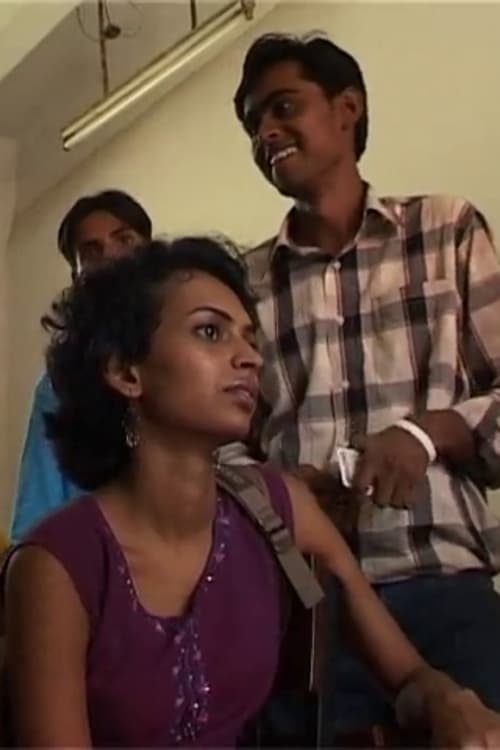
In the vast expanse of Bollywood cinema, where melodrama and romance often take center stage, 'Please Don't Beat Me, Sir!' stands out as a beacon of hope for a different kind of storytelling. Released in 2011, this thought-provoking documentary is a poignant exploration of the lives of the Chhara youth, a community in Ahmedabad, Western India, who have been branded 'criminals by birth' by the British. The film's release coincided with a growing interest in documentaries in Indian cinema, with films like 'The Lunchbox' and 'Ship of Theseus' pushing the boundaries of storytelling. 'Please Don't Beat Me, Sir!' is a powerful addition to this genre, shedding light on the struggles of a marginalized community and their fight against police brutality, corruption, and the stigma of criminality. Through its unflinching portrayal of the Chhara youth's lives, the film raises important questions about identity, community, and the power of art to spark change. As we navigate the complexities of Indian society, 'Please Don't Beat Me, Sir!' is a timely reminder of the importance of empathy, understanding, and the need for a more nuanced approach to social justice.
Quick Facts
| Release Date | 7 October 2011 |
| Genre | Documentary, Crime, History |
| Language | Hindi |
| Runtime | 1h 15m |
| Director | Shashwati Talukdar |
Story & Plot
The narrative of 'Please Don't Beat Me, Sir!' is deeply rooted in the lives of the Chhara youth, who have turned to street theater as a means of expressing themselves and challenging the status quo. The film follows the lives of these young actors and their families, providing a glimpse into their daily struggles and triumphs. Through a series of poignant and powerful performances, the Chhara youth bring to life the stories of their ancestors, who were forced to live in the shadows of Indian society. The film's major themes of identity, community, and the power of art are woven throughout the narrative, creating a rich tapestry of emotions and experiences. As the Chhara youth take their struggle to the streets, hoping to spark a revolution, the film builds towards a crescendo of hope and determination. The setting of Ahmedabad, with its vibrant streets and bustling markets, provides a stark contrast to the poverty and marginalization faced by the Chhara community. The tone of the film is unflinching and honest, never shying away from the harsh realities of the Chhara youth's lives. The pacing is deliberate and measured, allowing the audience to absorb the full weight of the narrative. As the film comes to a close, the audience is left with a sense of awe and respect for the Chhara youth and their unwavering commitment to their art.
Cast & Crew
While 'Please Don't Beat Me, Sir!' is a documentary, the Chhara youth who are its stars are undoubtedly the film's greatest asset. Their performances are raw, honest, and deeply moving, providing a glimpse into the lives of a community that has been marginalized for far too long. Each of the Chhara youth brings their own unique perspective and energy to the film, creating a sense of diversity and depth that is all too rare in Indian cinema. The chemistry between the actors is palpable, with each performance building on the last to create a sense of collective purpose and determination. While there is no lead cast member in the classical sense, each of the Chhara youth who appear in the film deserves recognition for their bravery and talent. Their performances are a testament to the power of art to transcend borders and boundaries, and to the enduring spirit of a community that refuses to be silenced.
Lead Cast
| Name | Role |
|---|---|
| Shashwati Talukdar | Director |
| P. Kerim Friedman | Director |
Key Crew
See the full crew breakdown in Quick Facts above, including director, producer, music direction, writing, cinematography, and editing credits.
Director's Vision
Shashwati Talukdar's vision for 'Please Don't Beat Me, Sir!' is a testament to her skill as a filmmaker and her commitment to telling stories that need to be told. Through her lens, the Chhara youth and their community are given a voice and a platform, allowing their stories to be heard and seen by a wider audience. The visual language of the film is stark and unflinching, reflecting the harsh realities of the Chhara youth's lives. Talukdar's use of long takes and observational footage creates a sense of intimacy and immediacy, drawing the audience into the world of the Chhara youth. Her creative ambition is evident in every frame of the film, as she seeks to challenge the status quo and push the boundaries of what is possible in Indian documentary cinema. Through her work on 'Please Don't Beat Me, Sir!', Talukdar has cemented her reputation as a fearless and innovative filmmaker, willing to take risks and push the envelope in pursuit of a greater truth.
Music & Soundtrack
The soundtrack for 'Please Don't Beat Me, Sir!' is a sparse and haunting collection of sounds, perfectly capturing the mood and atmosphere of the film. The background score is minimalist and effective, never overpowering the narrative or drawing attention away from the Chhara youth's stories. The musical mood is one of quiet introspection, reflecting the sense of calm and determination that pervades the film. While there is no traditional soundtrack in the classical sense, the music that does appear is deeply affecting and memorable, adding to the overall emotional impact of the film. The use of silence and quiet contemplation is a deliberate choice, one that serves to underscore the gravity and importance of the Chhara youth's stories.
Where to Watch
The theatrical release strategy for 'Please Don't Beat Me, Sir!' was carefully considered, with the film debuting at a number of international film festivals before receiving a limited release in India. The cinematic experience of watching the film on the big screen is one of quiet contemplation and introspection, with the audience encouraged to absorb the full weight of the narrative. The film's use of long takes and observational footage creates a sense of intimacy and immediacy, drawing the audience into the world of the Chhara youth. As the credits roll, the audience is left with a sense of awe and respect for the Chhara youth and their unwavering commitment to their art. While the film may not have received a wide release, it is well worth seeking out and watching on the big screen, where its full impact and emotional resonance can be fully appreciated.
Why Watch Please Don't Beat Me, Sir!?
The release of 'Please Don't Beat Me, Sir!' generated a significant amount of industry buzz and critical acclaim, with many praising the film's unflinching portrayal of the Chhara youth's lives. The film's cultural significance cannot be overstated, providing a powerful platform for the Chhara youth to tell their stories and challenge the status quo. The audience's expectations were high, and the film did not disappoint, delivering a powerful and moving portrayal of a community that has been marginalized for far too long. As we navigate the complexities of Indian society, 'Please Don't Beat Me, Sir!' is a timely reminder of the importance of empathy, understanding, and the need for a more nuanced approach to social justice. The film's impact will be felt for years to come, inspiring a new generation of filmmakers and audiences to engage with the stories and struggles of marginalized communities.