The Prisoner 2026: Uncovering the Hidden Depths of Bollywood's Thrilling New Release
Things You Missed in The Prisoner (2026)
The recent release of The Prisoner has taken the Bollywood industry by storm, with audiences and critics alike praising the film's gripping narrative and outstanding performances. As the dust settles, let's dive into the lesser-known aspects of this thrilling drama, exploring the themes, character development, and technical elements that make The Prisoner a standout in the genre.
Exploring the Mental Battlefield
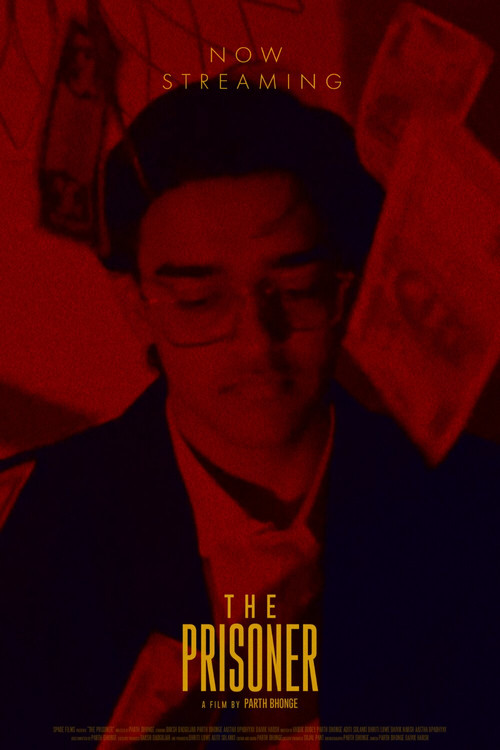
At its core, The Prisoner is a psychological drama that delves into the inner workings of its protagonist Daksh's mind. The film masterfully portrays the complexities of mental health, showcasing the struggles Daksh faces in his daily life. One notable aspect of the film is how the director, Parth Bhonge, uses the cinematography to mirror Daksh's thoughts and emotions. The use of close-ups, long takes, and a predominantly muted color palette effectively conveys the sense of isolation and loneliness that Daksh experiences.
This emphasis on mental health is a refreshing change of pace in the Bollywood industry, where mental health is often glossed over or used as a plot device. By exploring this theme in a nuanced and realistic manner, The Prisoner sets itself apart from more formulaic dramas. As Daksh's mental battles intensify, the audience is forced to confront their own preconceptions about mental health, making for a thought-provoking viewing experience.
The Power of Female Characters
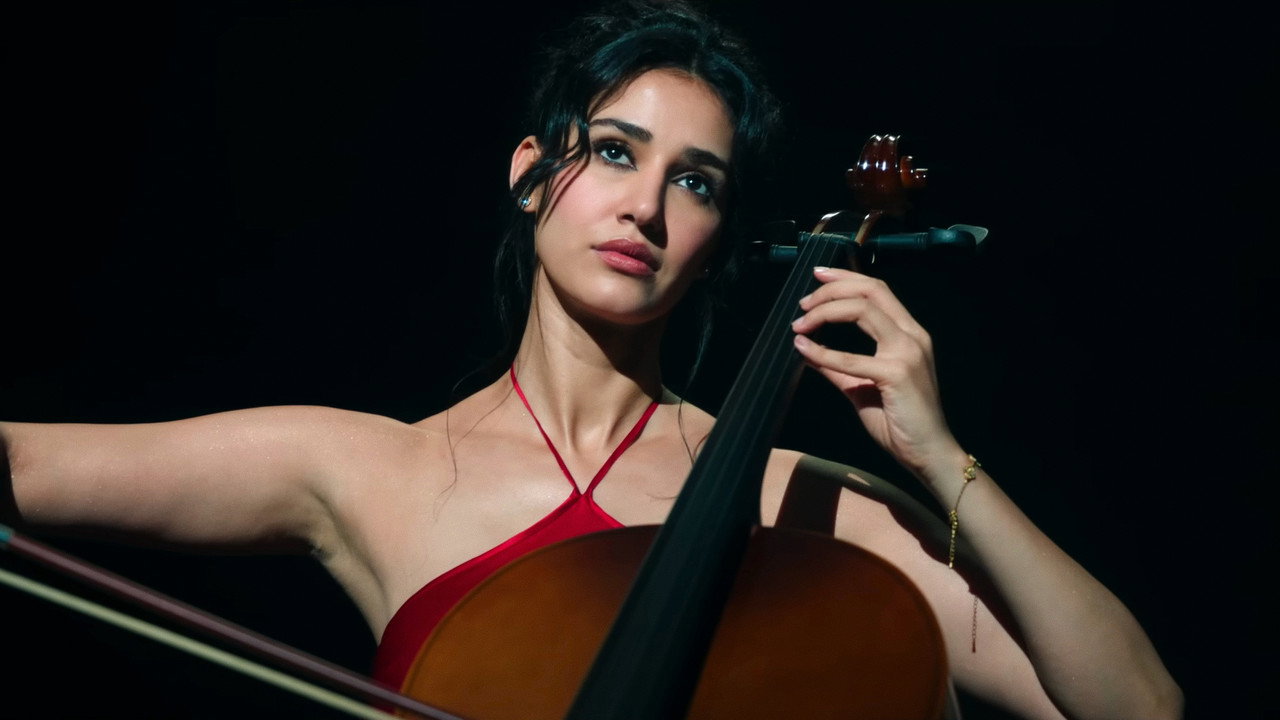
A standout aspect of The Prisoner is the strong female presence in the film. Aastha Upadhyay shines as Maaya, a complex and multifaceted character who adds depth to Daksh's narrative. Her interactions with Daksh are raw and emotionally charged, making for some of the film's most memorable moments. What's remarkable about Maaya's character is how she challenges Daksh's perceptions and pushes him to confront his demons.
The dynamic between Maaya and Daksh is expertly handled by the director and the actress, who bring a level of authenticity to their performances. This portrayal of female characters is a testament to the growing trend of strong, nuanced female characters in Bollywood films, which is a welcome change from the more exploitative portrayals of the past.
Themes of Identity and Freedom
At its core, The Prisoner is a film about identity and freedom. Daksh's struggles with his mental health are inextricably linked to his sense of self-worth and his desire for autonomy. As he navigates his relationships with Maaya and Yatharth, he begins to question the true nature of his reality. This existential crisis raises important questions about the nature of freedom and the impact of societal pressures on individual identity.
Through Daksh's journey, the film raises important questions about the human condition, encouraging viewers to reflect on their own experiences and perceptions. This thought-provoking narrative is a hallmark of the film, making it a must-watch for anyone interested in exploring deeper themes and ideas.
Technical Elements and Direction
One of the standout aspects of The Prisoner is its technical excellence. The film's director, Parth Bhonge, has a keen eye for detail, using lighting, camera angles, and composition to create a visually striking narrative. The use of long takes and close-ups adds to the film's sense of realism, drawing the viewer into Daksh's world.
The film's score, composed by Parth Bhonge himself, is equally impressive, perfectly capturing the mood and atmosphere of each scene. The sound design is equally noteworthy, with subtle sound effects and music cues that add depth and texture to the film's narrative.
Conclusion and Impact
As the credits roll on The Prisoner, it's clear that this is a film that will linger in the viewer's mind long after the final shot. The film's thought-provoking themes, nuanced character development, and technical excellence make it a standout in the genre. This film is a testament to the growing maturity of the Bollywood industry, which is increasingly embracing complex, realistic storytelling.
Frequently Asked Questions (FAQs)
Q: What inspired the director to tackle mental health in The Prisoner?
A: According to an interview with the director, Parth Bhonge, he drew inspiration from his own experiences with mental health and the struggles he faced in his personal life.
Q: Who wrote the screenplay for The Prisoner?
A: The screenplay was written by Parth Bhonge himself, who also directed and edited the film.
Q: What can viewers expect from the film's score and sound design?
A: The film's score and sound design were both composed and executed by Parth Bhonge, who used a combination of subtle sound effects and music cues to create a immersive and realistic narrative.
Disclaimer: The views and opinions expressed in this article are those of the author and do not necessarily reflect the official policy or position of CinemaVerse.