Uncovering Memories in Bollywood's Poignant Film, 100 Stairs to Childhood (2026)
Revisiting the Past, Rekindling the Heart: "100 Stairs to Childhood" (2026)
Can a fleeting moment from our childhood ever truly resurface, transporting us back to a time of innocence and wonder? This is the central query that "100 Stairs to Childhood," a poignant drama from Bollywood director Tillottam Pawar, poses to its audience. Released in 2026, this cinematic gem navigates the complex landscape of memory, nostalgia, and love, inviting viewers to take a journey down the winding stairs of their own past.
Unpacking the Concept of Nostalgia
Nostalgia is a double-edged sword – it can evoke feelings of warmth and comfort, yet it also risks sentimentalizing the past, stripping it of its complexities and difficulties. "100 Stairs to Childhood" skillfully navigates this delicate balance, presenting a nuanced portrayal of nostalgia as both bittersweet and redemptive. By doing so, the film highlights the fluidity of memory, demonstrating how our recollections can shift and change over time.
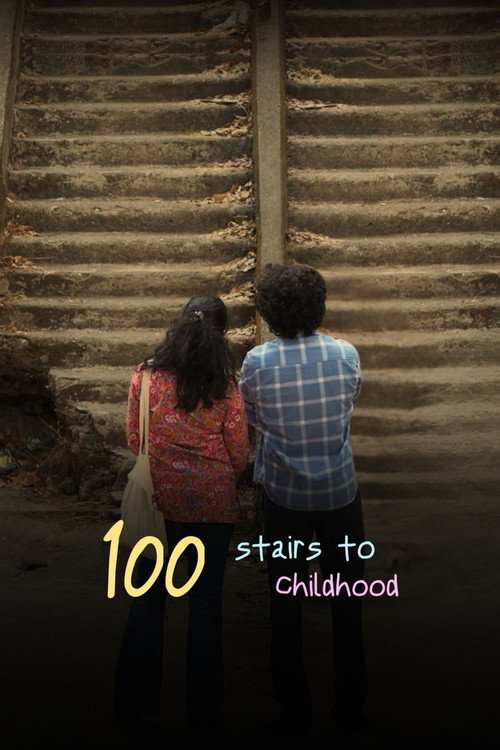
One of the most striking aspects of the film is its use of imagery and symbolism. The titular 100 stairs serve as a metaphor for the journey of self-discovery, with each step representing a milestone in the protagonist's life. This motif is expertly woven throughout the narrative, providing a visual representation of the characters' emotional growth and transformation.
The Power of Unrequited Love
At its core, "100 Stairs to Childhood" is a film about unrequited love – a sentiment that is both universally relatable and deeply personal. The protagonist's longing for a childhood friend is a potent reminder that love can take many forms, and that the pain of unrequited affection is a shared human experience. This theme is skillfully explored through the film's use of subtle facial expressions, body language, and dialogue, creating a palpable sense of tension and emotional depth.
Themes of Identity and Belonging
"100 Stairs to Childhood" is also a film about identity and belonging, exploring the tensions that arise when our past and present selves collide. The protagonist's struggle to reconcile their adult life with their childhood memories is a powerful exploration of the human experience, highlighting the enduring impact of our formative years on our adult selves. This theme is expertly woven throughout the narrative, creating a rich tapestry of emotions and experiences that resonate long after the credits roll.
The Director's Vision and Style
Tillottam Pawar's direction is a masterclass in subtlety and restraint. By eschewing overt symbolism and instead relying on nuanced performances and atmospheric cinematography, the director creates a sense of intimacy and immediacy that draws the viewer into the world of the film. This approach also allows the audience to fill in the gaps, making the narrative feel more personal and relatable.
The Cinematic Value of "100 Stairs to Childhood"
As a cinematic experience, "100 Stairs to Childhood" is a minor masterpiece – a film that will resonate with audiences long after they leave the theater. Its themes of nostalgia, unrequited love, and identity are timeless and universal, making it a work that will be cherished by viewers for years to come. With its masterful direction, poignant performances, and stunning cinematography, "100 Stairs to Childhood" is a must-see for fans of drama and romance.
Final Verdict
Ultimately, "100 Stairs to Childhood" is a film about the human experience – all its joys, sorrows, and complexities. By embracing the ambiguities of memory and the fragilities of love, the film creates a deeply relatable and emotionally resonant narrative that will linger in the viewer's mind long after the credits roll. As a work of cinematic art, it is a testament to the power of storytelling and the enduring appeal of the human heart.
Final Thoughts
"100 Stairs to Childhood" may be a Bollywood film, but its themes and emotions transcend cultural borders, speaking to a universal human experience that connects us all. As such, it is a fitting addition to the Romantic Journey canon, joining a select group of films that explore the complexities of love, memory, and identity. With its masterful direction, poignant performances, and stunning cinematography, "100 Stairs to Childhood" is a work that will be cherished by audiences for years to come.
Frequently Asked Questions (FAQs)
Q: What is the central theme of "100 Stairs to Childhood"?
A: The central theme of "100 Stairs to Childhood" is the complex relationship between nostalgia, memory, and love. The film explores how our past experiences shape our present selves and how our recollections can shift and change over time.
Q: How does the film's use of imagery and symbolism contribute to its narrative?
A: The film's use of imagery and symbolism, particularly the motif of the 100 stairs, serves as a powerful metaphor for the journey of self-discovery. Each step represents a milestone in the protagonist's life, providing a visual representation of their emotional growth and transformation.
Q: What is the significance of the film's portrayal of unrequited love?
A: The film's portrayal of unrequited love is a poignant reminder that love can take many forms and that the pain of unrequited affection is a shared human experience. This theme is skillfully explored through the film's use of subtle facial expressions, body language, and dialogue, creating a palpable sense of tension and emotional depth.
Disclaimer: The views and opinions expressed in this article are those of the author and do not necessarily reflect the official policy or position of CinemaVerse.