Uncovering the Hidden Depths of Bollywood's Thrilling 'Dragon' (2027)
Things You Missed in Prashanth Neel's Dragon: Unpacking the Unseen Threads of 2027's Bollywood Blockbuster
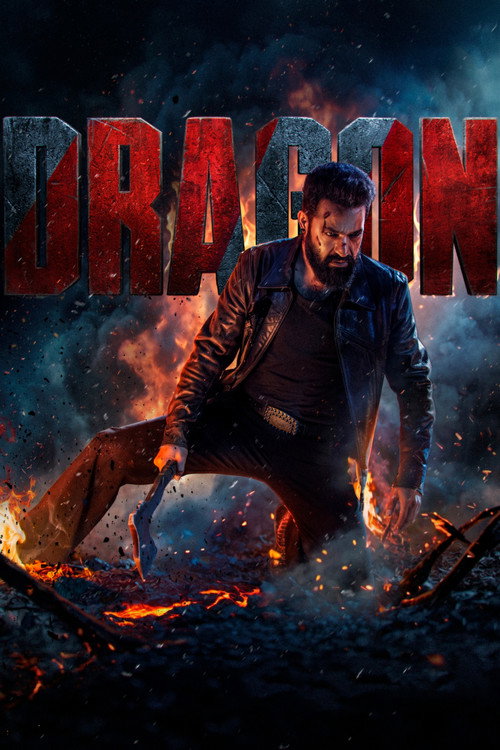
One of the most striking aspects of Prashanth Neel's Dragon, 2027's highly-anticipated Bollywood thriller, is its seemingly simple, yet expertly crafted narrative structure. At first glance, the film's 1967-set storyline revolving around the International Opium Trade and the cat-and-mouse game between Raghuveer Rathod (Anil Kapoor) and Dada Sarkar (Ashutosh Rana) appears to be a straightforward tale of good vs. evil. However, upon closer inspection, Neel's masterful storytelling reveals itself to be a rich tapestry of nuanced moral complexities and thought-provoking social commentary.
Unpacking the Symbolism of the Afghan Trading Company
One of the most intriguing aspects of Dragon is the symbolism surrounding the Afghan Trading Company, an organization that serves as the central hub of the international opium trade. The company's depiction as a seemingly benevolent entity, with its opium being used to alleviate pain and suffering, raises important questions about the nature of morality and the consequences of one's actions. This is particularly evident in the character of Raghuveer Rathod, who, as a member of the company's inner circle, is forced to confront the darker aspects of his own existence and the true cost of his choices.
The Afghan Trading Company represents the gray area that exists between right and wrong, where even the most well-intentioned actions can have devastating consequences. This nuanced portrayal is a testament to Neel's skill as a storyteller, who refuses to simplify the complexities of the human experience.
The Power Dynamics of masculinity in Dragon
Dragon is also notable for its thought-provoking exploration of masculinity and the societal expectations placed upon men. The film's portrayal of Raghuveer Rathod as a complex, multifaceted character who struggles with the weight of his own masculinity is particularly compelling, as is the nuanced dynamic between him and his adversaries, particularly Dada Sarkar. Through these characters, Neel raises important questions about the nature of masculinity and the ways in which societal expectations can both empower and oppress individuals.
Prashanth Neel's Masterful Direction
One cannot help but be impressed by Prashanth Neel's masterful direction, which brings the complex world of Dragon to life with stunning visuals and a keen sense of pacing. From the film's opening scenes, it is clear that Neel is a master of his craft, expertly weaving together multiple plot threads and character arcs to create a rich, immersive experience that keeps viewers on the edge of their seats. Whether he is using the cityscapes of 1960s Mumbai to evoke a sense of nostalgia and foreboding, or employing the opium trade as a metaphor for the darker aspects of human nature, Neel's direction is a revelation.
Who Should Watch Dragon?
Dragon is a must-see for anyone who enjoys complex, thought-provoking storytelling, as well as Bollywood fans who are eager to experience the best of Indian cinema. The film's nuanced exploration of morality, masculinity, and the human condition make it a standout in the 2027 Bollywood lineup, and its stunning visuals and masterful direction make it a must-see for anyone interested in the art of filmmaking.
Who Might Not Enjoy Dragon?
Dragon is not without its challenges, particularly for viewers who are unfamiliar with the complex world of Bollywood cinema. The film's non-linear narrative structure and nuanced character dynamics may prove daunting for some viewers, and the film's explicit themes and language may not be suitable for all audiences. Additionally, viewers who prefer more straightforward, crowd-pleasing blockbusters may find Dragon to be too cerebral or intellectually demanding.
Ultimately, Dragon is a film that rewards close attention and multiple viewings. While it may not be for everyone, it is undoubtedly a masterpiece of modern Indian cinema that will leave viewers talking long after the credits roll.