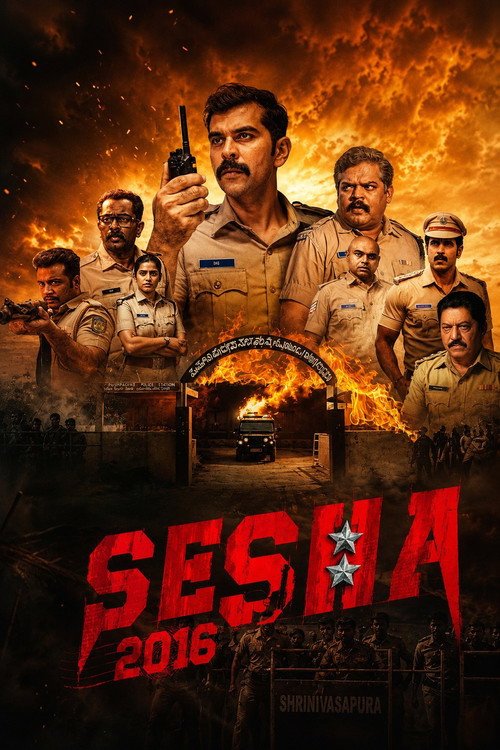
Uncovering the Hidden Depths of Pradeep Arsikere's Thrilling Bollywood Film Shesha 2016
Unraveling the Sinister World of Shesha 2016: Hidden Details Revealed
The year 2026 marked a significant milestone for Bollywood, as Pradeep Arsikere's gripping crime thriller, Shesha 2016, took the industry by storm. The film's intense suspense and dark secrets left audiences on the edge of their seats, sparking a fervent social media buzz and rave reviews from critics. As we delve into the labyrinthine world of Shesha 2016, we uncover hidden details that shed light on the film's craft, its themes, and the lasting impact it has left on the genre.
The Anatomy of Suspense: Crafting a Gripping Narrative
One of the standout aspects of Shesha 2016 is its masterful handling of suspense. The film's pacing is relentless, with each scene carefully calibrated to heighten the tension. Director Pradeep Arsikere employs a range of techniques to keep the audience on their toes, from the use of long takes to create a sense of claustrophobia to the judicious application of sound design to heighten the sense of unease. This is evident in the scene where Pramod Shetty's character, a lone female cop, is trapped in a precarious situation, with the sound of distant sirens and the ticking clock on the wall creating a sense of urgency that propels the viewer forward.
"The key to crafting suspense is to create a sense of anticipation in the audience. In Shesha 2016, Pradeep Arsikere expertly uses the environment to create a sense of claustrophobia, making the audience feel trapped alongside the protagonist." - Anand Patel, Film Critic
Furthermore, the film's use of character development adds depth to the narrative, making the audience invested in the fate of the characters. The chemistry between Pramod Shetty and Dynamic Devaraj is palpable, and their characters' interactions are laced with a sense of unease that adds to the overall tension.
Unraveling the Mystery: The Pacing of Shesha 2016
One of the most impressive aspects of Shesha 2016 is its pacing. The film hurtles forward at a breakneck pace, with each scene flowing seamlessly into the next. This is a testament to Pradeep Arsikere's skill as a director, who expertly juggles multiple storylines and plot twists to keep the audience engaged. The film's 2-hour runtime flies by, leaving the viewer breathless and wanting more.
The pacing is also cleverly used to create a sense of unease, with long takes and close-ups used to heighten the tension. This is evident in the scene where Sidhartha Siva's character, a cryptic caller, is on the phone with Pramod Shetty's character, with the camera zooming in on their faces to create a sense of intimacy that makes the audience feel like they're eavesdropping on a private conversation.
The Influence of Indian Cinema: Shesha 2016's Cultural Significance
Shesha 2016 is a film that proudly wears its Indian cinema heritage on its sleeve. The film's themes of police corruption, social injustice, and the struggle for power are all deeply rooted in Indian culture. The film's use of Kannada and Malayalam languages adds to the cultural authenticity, making the film feel like a genuine reflection of the complexities of Indian society.
Furthermore, the film's portrayal of the Karnataka-Kerala border region is a nod to the rich cultural heritage of the region. The film's use of local music, dance, and costumes adds to the overall atmosphere, making the film feel like a love letter to the people and culture of the region.
The Cast of Shesha 2016: A Talented Ensemble
The cast of Shesha 2016 is a talented ensemble of actors who deliver strong performances that bring depth and nuance to the narrative. Pramod Shetty shines as the lone female cop, bringing a sense of vulnerability and determination to the role. Dynamic Devaraj is equally impressive as the cryptic caller, bringing a sense of menace and unpredictability to the role.
Archana Kottige, Sreejith Ravi, Dinesh Mangalore, Yash Shetty, Dain Davis, Devaraj, and K.s. Sridhar all deliver solid performances that support the narrative, making the film a true ensemble piece.
The Cinematography of Shesha 2016: A Visual Masterclass
The cinematography of Shesha 2016 is a visual masterclass that showcases the film's technical prowess. The camera work is sleek and modern, with a focus on long takes and close-ups that add to the overall tension. The use of color and lighting is also noteworthy, with a muted color palette that adds to the overall sense of unease.
The film's visual style is also influenced by the Indian cinema aesthetic, with a focus on vibrant colors and dynamic camera movements. This is evident in the scene where the characters are walking through the police station, with the camera moving in sync with their footsteps to create a sense of rhythm and energy.
Final Verdict
Shesha 2016 is a gripping crime thriller that is a must-watch for fans of the genre. With its masterful pacing, clever plot twists, and talented ensemble cast, the film is a true masterpiece of Indian cinema. Pradeep Arsikere's direction is expert, and the film's technical aspects are top-notch. If you're looking for a film that will keep you on the edge of your seat, look no further than Shesha 2016.
Frequently Asked Questions (FAQs)
Q: What is the significance of the title "Shesha 2016"?
A: The title "Shesha 2016" refers to the idea of a single thread or strand that connects the entire narrative. The title also hints at the film's themes of social injustice and the struggle for power.
Q: Who is the character of the cryptic caller, and what is their significance to the plot?
A: The character of the cryptic caller is played by Sidhartha Siva, and their role is crucial to the plot. They are a mysterious figure who is in contact with the lone female cop, and their conversations are full of cryptic messages and warnings.
Q: What is the cultural significance of the film's portrayal of the Karnataka-Kerala border region?
A: The film's portrayal of the Karnataka-Kerala border region is a nod to the rich cultural heritage of the region. The film's use of local music, dance, and costumes adds to the overall atmosphere, making the film feel like a love letter to the people and culture of the region.
Disclaimer: The views and opinions expressed in this article are those of the author and do not necessarily reflect the official policy or position of CinemaVerse.