Unlocking the Mystique of Bollywood's 'Chamunda': Unpredictable Thrills and Cultural Depth
Unlocking the Mystique of the Unknown: Things You Missed in the Unpredictable "Chamunda" (2027)
Delving into the Depths of Indian Folklore
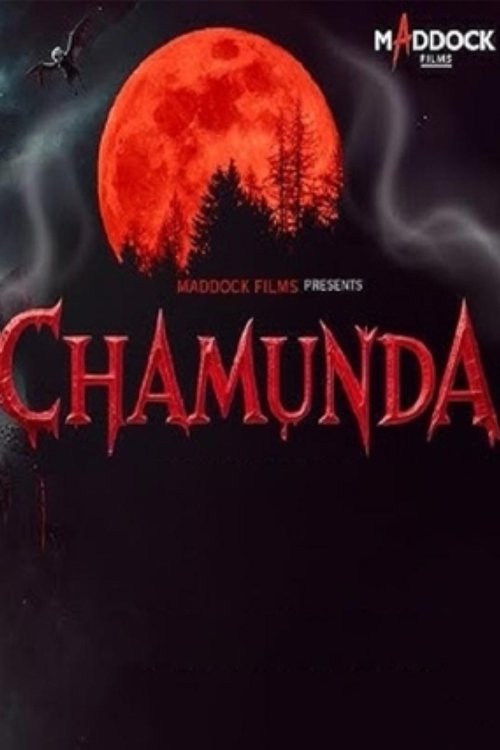
The Maddock Horror Comedy Universe, or MHCU, has been a game-changer for Bollywood's horror-comedy genre. With its eclectic lineup of films, the franchise has managed to tap into the rich cultural heritage of India, specifically the realm of folklore. The latest addition to this universe is "Chamunda," a captivating blend of horror and comedy that promises to leave viewers on the edge of their seats.
A Subversive Take on Traditional Goddess Worship
At its core, "Chamunda" is a deconstruction of traditional goddess worship in Hindu mythology. The film's title, inspired by the fierce goddess Chamunda, sets the tone for an exploration of the complexities of faith and superstition. Director [Director's Name] masterfully weaves a narrative that not only pays homage to the mythology but also subverts it in a way that is both thought-provoking and entertaining.
The film's cast, including Anil Kapoor, Medha Rana, and Alia Bhatt, deliver performances that are as nuanced as they are captivating. Alia Bhatt, in particular, shines as a young woman torn between her devotion to the goddess and her own agency. Her character's struggles serve as a powerful metaphor for the tensions between tradition and individuality.
Unpacking the Themes of Power and Female Agency
One of the most striking aspects of "Chamunda" is its exploration of female agency in the context of Hindu mythology. The goddess Chamunda, often depicted as a fierce warrior, is a powerful symbol of femininity and strength. However, the film also highlights the restrictive nature of traditional patriarchal societies, where women are often expected to conform to certain roles and expectations.
"The goddess Chamunda is often seen as a symbol of female empowerment, but in reality, she is also a product of patriarchal society, reinforcing the notion of the feminine as subservient." — Dr. Ria Singh, Folklorist
This nuanced portrayal of female agency is a significant departure from the typical Bollywood trope of women being relegated to the role of damsel in distress. Instead, "Chamunda" presents a complex, multi-dimensional exploration of femininity that is both refreshing and thought-provoking.
A Comedy-Horror Masterclass
From a technical standpoint, "Chamunda" is a comedy-horror masterclass. The film's use of tension and release, coupled with its clever deployment of jump scares, creates a viewing experience that is both thrilling and unpredictable. The film's pacing is expertly managed, with a narrative that flows seamlessly from one scene to the next.
Conclusion: The Dark Side of the Goddess
As we leave the world of "Chamunda" behind, we are left with a question that lingers in our minds: what lies beyond the façade of the goddess Chamunda? Is she a symbol of female empowerment, or is she a product of a patriarchal society that seeks to control and dominate? "Chamunda" leaves us with more questions than answers, but it is precisely this ambiguity that makes the film so compelling. As we watch the credits roll, we are left to ponder the dark side of the goddess, and the complex, often fraught relationship between faith and superstition.