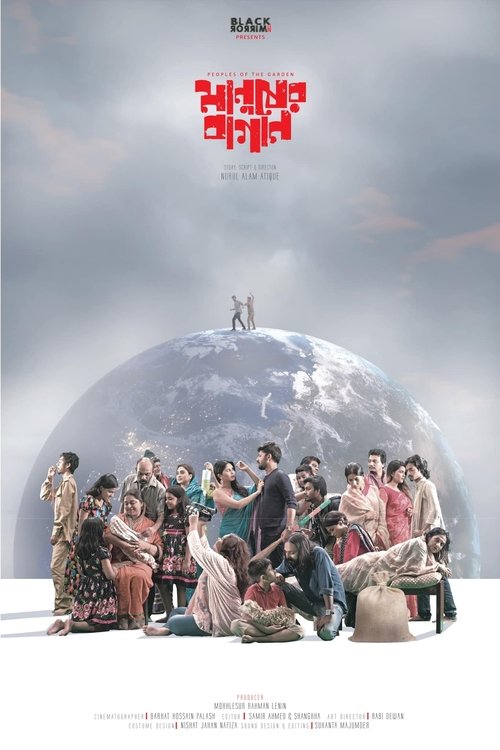
Unpacking Bengali Society in 'Peoples of the Garden', a Haunting Drama by Nurul Alam Atique
Peoples of the Garden: A Powerful Portrait of Bengali Society
As the sun rises over the lush greenery of a rural Bengali garden, the camera pans across a group of villagers gathered around a traditional folk musician. In a mesmerizing display of movement and emotion, the musician's hands dance across the strings of his instrument, weaving a sonic tapestry that transports the viewer to a world of rich culture and tradition. This is the opening scene of Nurul Alam Atique's "Peoples of the Garden," a sweeping drama that delves into the lives of people from five distinct social classes in 2020 Bengali society.
Atique's film is a masterclass in nuanced characterization, weaving together five distinct stories that are at once interconnected and self-contained. Through the eyes of his protagonists, we witness the struggles and triumphs of everyday people as they navigate the complexities of modern life in Bengal. Orchita Sporshia shines as the lead in a standout sequence, bringing a depth and vulnerability to her portrayal that is both heartbreaking and inspiring.
One of the key strengths of "Peoples of the Garden" lies in its thoughtful exploration of themes that are both universally relatable and deeply specific to the Bengali experience. The film tackles issues of class, identity, and community with sensitivity and nuance, avoiding the kind of didacticism that can often plague social dramas. Instead, Atique lets his characters speak for themselves, their voices and stories woven together into a rich tapestry of human experience.
"The garden is a reminder that even in the darkest times, there is always beauty to be found," notes Atique in a recent interview. "In a world that often seems determined to tear us apart, it's the small acts of kindness and compassion that can bring us back together." This sentiment is echoed throughout the film, as characters from different walks of life come together to support one another in times of need.
A Visual and Aural Feast
Bangladesh is a country of breathtaking natural beauty, and "Peoples of the Garden" is a visual feast that showcases the country's stunning landscapes and vibrant cultural heritage. The cinematography by Barkat Hossain Polash is breathtaking, capturing the golden light of dawn and dusk in a way that is both poetic and deeply evocative. Sameer Ahmed's editing is equally impressive, weaving together a complex narrative with ease and precision.
The film's original score, composed by Pavel Areen, is a highlight of the film. Areen's music is at once haunting and beautiful, perfectly capturing the mood and atmosphere of each scene. From the lilting rhythms of the folk music to the soaring melodies of the film's theme song, Areen's score is a masterclass in musical storytelling.
A Powerful Portrait of Bengali Society
"Peoples of the Garden" is a powerful portrait of Bengali society, one that is both deeply specific and universally relatable. Through its five interconnected stories, the film paints a picture of a country in flux, where traditional values and customs are being challenged by the forces of modernity. And yet, despite the many changes that are taking place, the film ultimately offers a message of hope and resilience, one that is rooted in the enduring power of human connection.
"Peoples of the Garden" is a film that will stay with you long after the credits roll. It's a film that will make you laugh, cry, and think – often all at the same time. And it's a film that will leave you with a newfound appreciation for the beauty and diversity of Bengali culture.
"The garden is not just a physical space – it's a metaphor for the beauty and diversity of our lives." – Nurul Alam Atique
As the film comes to a close, we are left with a question that will stay with us long after the credits roll: what does it mean to be a part of a community, to be connected to the people and places that surround us? "Peoples of the Garden" is a powerful exploration of this question, one that is both deeply personal and universally relatable. It's a film that will stay with you for days, weeks, and months to come – and one that will leave you with a newfound appreciation for the beauty and diversity of human experience.