Unpacking the Complexity of Captain India's Protagonist - A Character Analysis
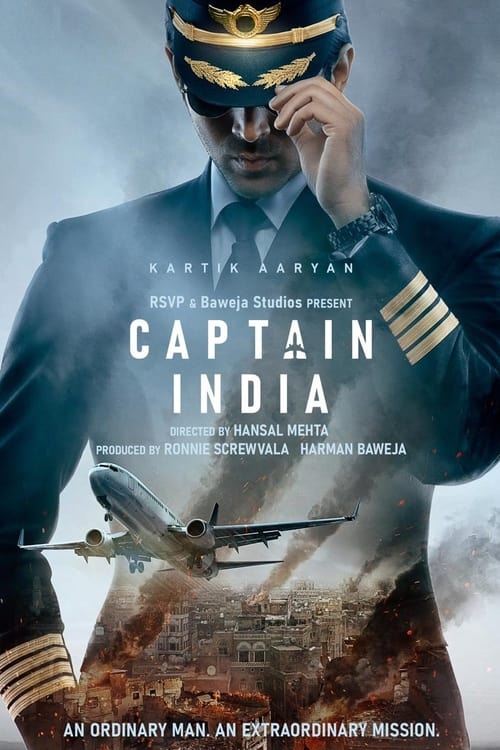
Unpacking the Complexity of Kartik Aaryan's Captain India: A Character Analysis
As the Bollywood landscape continues to evolve, films like Captain India (2027) serve as a poignant reminder of the industry's ability to create cinematic experiences that cater to a wide range of audiences. One landmark film that comes to mind when considering the character-driven approach of Captain India is Black Friday (2004), directed by Anurag Kashyap. Like Black Friday, Captain India delves into the complexities of human nature, exploring the intricacies of its protagonist's psyche through a gripping narrative.
Upon analyzing the character of Kartik Aaryan's unnamed protagonist in Captain India, it becomes evident that the film is not merely an action-thriller but a thought-provoking exploration of identity, morality, and the blurred lines between patriotism and nationalism. The protagonist, a decorated military officer, is thrust into a world of espionage and counter-terrorism, forcing him to confront the darker aspects of his own character.
The Torn Loyalties of a Nation's Hero
The film's protagonist is a paradoxical figure, embodying the duality of human nature. On the one hand, he is a proud patriot, willing to make the ultimate sacrifice for his country. On the other, he is driven by a sense of personal loyalty to those who have wronged him, compelling him to take a path that threatens to undermine the very nation he seeks to protect. This internal conflict is expertly woven throughout the narrative, making it difficult for the audience to discern right from wrong.
- Kartik Aaryan's nuanced performance brings depth to the character, allowing the audience to empathize with his plight.
- The film's use of symbolism, particularly the recurring motif of the Indian flag, serves as a powerful reminder of the nation's values and the sacrifices made by its citizens.
The supporting cast, including a talented ensemble of actors, adds to the film's complexity, each character representing a different facet of the nation's psyche. The antagonist, a ruthless terrorist leader, serves as a foil to the protagonist, highlighting the differences between a nation's ideals and the harsh realities of its people.
"The true test of a nation's character lies not in its military strength or economic prowess, but in its ability to confront its own demons and emerge stronger, wiser, and more compassionate."
This poignant insight, reflective of the film's themes, serves as a powerful reminder of the importance of self-reflection and growth in the face of adversity.
Exploring the Morally Ambiguous Landscape of Bollywood's War Films
Captain India joins a growing list of Bollywood war films that grapple with the complexities of conflict and its impact on human lives. Filmmakers like Shimit Amin, who also directs Captain India, have consistently pushed the boundaries of the genre, exploring themes that are both timely and timeless.
In the context of Bollywood's war films, Captain India stands out for its willingness to confront the moral ambiguities of war, encouraging the audience to question their assumptions about patriotism, loyalty, and the true cost of national pride.
Conclusion
As Captain India concludes its narrative, leaving the audience with a sense of unease and uncertainty, it raises a poignant question: What does it truly mean to be a hero in a world where right and wrong are increasingly intertwined? The answer, much like the film itself, remains complex, multifaceted, and thought-provoking, leaving viewers to ponder the implications long after the credits roll.