Unraveling the Turmoil of Human Nature in Mango Pachcha
Themes Explained: A Decade of Turmoil in Mango Pachcha
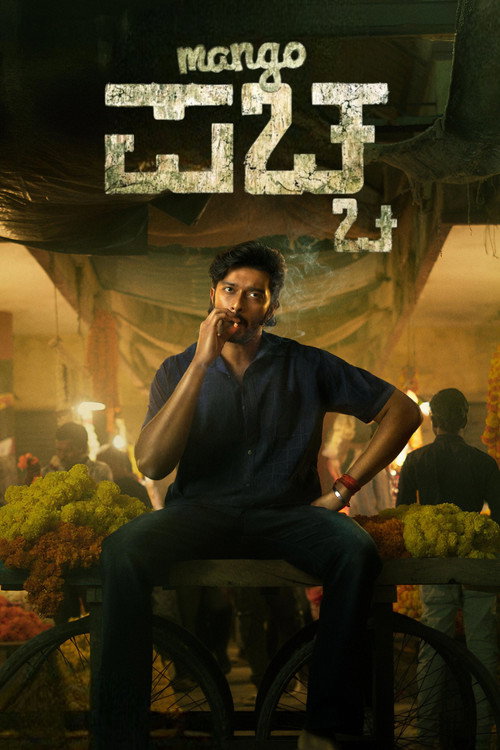
Mango Pachcha, directed by Viveka, marks a significant milestone in the Bollywood crime drama genre. Set in the vibrant city of Mysuru, the film weaves a gripping narrative across a decade (2001-2011), showcasing the complexities of human nature and the societal pressures that shape lives. In this article, we'll delve into the themes that make Mango Pachcha a standout in the industry.
Introduction
One landmark film that comes to mind when analyzing Mango Pachcha is Satya (1998), a crime drama directed by Ram Gopal Varma. Satya's gritty portrayal of Mumbai's underworld resonated with audiences and paved the way for the crime drama genre in Bollywood. Mango Pachcha, in a way, pays homage to Satya by exploring similar themes, but with a unique twist that sets it apart.
Power Dynamics and Corruption
Mango Pachcha masterfully explores the intricate web of power dynamics and corruption in a city like Mysuru. The film shows how those in positions of authority abuse their power, creating a culture of fear and oppression. This theme is expertly woven throughout the narrative, as the characters navigate a complex network of relationships and allegiances. The director's use of setting, with its vibrant streets and majestic palaces, serves as a backdrop to highlight the stark contrasts between the haves and have-nots.
- The character of Kaajal Kunder's protagonist exemplifies the resilience of the human spirit in the face of adversity.
- Prashanth Hiremath's portrayal of the antagonist showcases the devastating consequences of unchecked power and corruption.
- The city's setting, with its rich history and cultural heritage, serves as a commentary on the country's own struggles with corruption and social inequality.
The Impact of Time on Human Relationships
A crucial aspect of Mango Pachcha is its exploration of how relationships change over time. The film shows how friendships are forged and broken, how family ties are tested, and how love becomes a casualty of circumstance. This theme is poignantly illustrated through the characters' interactions, as they grapple with the consequences of their actions and the passage of time.
As the years go by, the characters' relationships undergo a transformation, reflecting the city's own evolution. The city's changing landscape serves as a metaphor for the characters' growing awareness of their own vulnerabilities and imperfections.
The Struggle for Identity and Belonging
Mango Pachcha raises important questions about identity and belonging, particularly in the context of a city like Mysuru, which is steeped in history and cultural heritage. The film shows how individuals navigate their sense of belonging, often finding themselves caught between tradition and modernity. This theme is beautifully captured through the characters' struggles to find their place in the world.
As the characters navigate the complexities of their own identities, they must also confront the city's own identity crisis. The film's portrayal of Mysuru as a city in flux serves as a commentary on the country's own struggles with identity and belonging in the modern era.
The Role of Memory in Shaping Our Understanding of the Past
Mango Pachcha explores the complex relationship between memory and the past, particularly in the context of a city like Mysuru, which is deeply embedded in history. The film shows how memories shape our understanding of the past, often distorting or altering the truth to suit our own narratives. This theme is poignantly illustrated through the characters' recollections of the city's past, which serve as a commentary on the country's own struggles with memory and history.
The Power of Nature and the Environment
Mango Pachcha is not just a crime drama; it's also an ode to the natural beauty of Mysuru. The film showcases the city's stunning landscapes, its vibrant markets, and its ancient temples. The director's use of setting serves as a reminder of the importance of the natural environment in shaping our lives. This theme is beautifully captured through the characters' interactions with the city's natural beauty, which serves as a commentary on the country's own struggles with environmental degradation and climate change.
Final Verdict
Mango Pachcha is a masterpiece of storytelling that explores some of the most complex themes in the crime drama genre. With its thought-provoking narrative, its stunning visuals, and its memorable characters, this film is a must-watch for anyone interested in the world of Bollywood. The director's skillful use of setting, with its vibrant cityscapes and majestic landscapes, serves as a reminder of the power of cinema to capture the complexities of human nature and the world around us.
Frequently Asked Questions (FAQs)
What inspired the director to explore the theme of corruption in Mango Pachcha?
The director, Viveka, has stated that he was inspired by the real-life stories of corruption and power struggles that have plagued cities like Mysuru. He wanted to explore the complexities of human nature and the societal pressures that shape lives, particularly in the context of a city like Mysuru, which is steeped in history and cultural heritage.
How does Mango Pachcha compare to other Bollywood crime dramas?
Mango Pachcha is distinct from other Bollywood crime dramas, such as Satya and Company, in its nuanced portrayal of the human condition. The film's exploration of power dynamics, corruption, and the impact of time on human relationships sets it apart from other films in the genre.
What can viewers expect from the film's themes and narrative?
Viewers can expect a thought-provoking narrative that explores the complexities of human nature and the societal pressures that shape lives. The film's themes of power dynamics, corruption, and the impact of time on human relationships will keep viewers engaged and invested in the story. The film's stunning visuals and memorable characters will also make for a memorable viewing experience.
Disclaimer: The views and opinions expressed in this article are those of the author and do not necessarily reflect the official policy or position of CinemaVerse.