Anurag Kashyap's Masterful Direction in Gangs of Wasseypur - Part 2: A Turning Point in Bollywood
Crime, Family, and Legacy: A Direction Analysis of Gangs of Wasseypur - Part 2
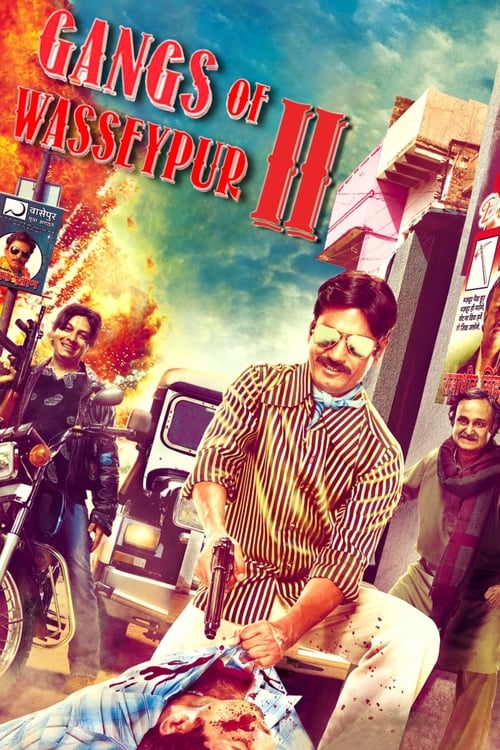
Anurag Kashyap's Gangs of Wasseypur - Part 2 (2012) marked a turning point in the Bollywood crime genre, setting a new standard for gritty, unapologetic storytelling that delved into the complexities of Indian society. In this sprawling two-part epic, Kashyap masterfully weaves together a tale of coal mafia power struggles, family vendettas, and the corrupting influence of power. This direction analysis will examine Kashyap's bold choices and innovative storytelling techniques that not only cemented his place as a leading voice in Indian cinema but also pushed the boundaries of the crime genre.
One of Kashyap's most striking decisions in Gangs of Wasseypur - Part 2 was his deliberate pacing, which at times seems to meander through the narrative. However, this deliberate pace serves a purpose, allowing the audience to become fully immersed in the world of Wasseypur and its intricate web of alliances and rivalries. By slowing down the pace, Kashyap creates a sense of tension and unease, mirroring the characters' own struggles to maintain power and control in a world where allegiances shift like sand.
- Ambiguous Morality Kashyap's refusal to assign clear moral labels to his characters is a hallmark of his direction. Take the complex character of Sultan Qureshi (Pankaj Tripathi), a low-level coal mafia operative struggling to assert his dominance in a world controlled by the powerful Ramadhir Singh (Tigmanshu Dhulia). Sultan's actions are neither entirely justifiable nor reprehensible, making him a deeply human and relatable character. This moral ambiguity extends to the film's portrayal of violence, which, while unflinching, is neither gratuitous nor celebratory.
- Non-Linear Storytelling Kashyap employs non-linear storytelling to excellent effect in Gangs of Wasseypur - Part 2, jumping back and forth between different time periods and characters' perspectives. This technique not only adds complexity to the narrative but also underscores the cyclical nature of violence and power struggles in Wasseypur. By presenting multiple viewpoints, Kashyap creates a more nuanced understanding of the events unfolding on screen.
- Ensemble Cast and Character Development The ensemble cast of Gangs of Wasseypur - Part 2 is one of its greatest strengths, with each performer bringing depth and nuance to their character. From the enigmatic Mohsina Hamid (Huma Qureshi) to the ruthless Sardar Khan (Manoj Bajpayee), each character is multidimensional and fully realized. Kashyap's direction encourages the actors to bring their A-game, resulting in some truly breathtaking performances.
Kashyap's direction in Gangs of Wasseypur - Part 2 is a masterclass in subtlety, restraint, and patience. He refuses to resort to easy answers or convenient plot twists, instead opting for a more measured and thought-provoking approach. As a result, the film feels both sprawling and intimate, a testament to Kashyap's skill as a storyteller and his commitment to pushing the boundaries of Indian cinema.
“If you want to make a great movie, you have to be willing to take risks, to challenge your audience, and to push the envelope. Anything less is just lazy filmmaking.”
These words, spoken by Anurag Kashyap in various interviews, encapsulate the spirit of Gangs of Wasseypur - Part 2, a film that refuses to compromise or pander to its audience. If you're willing to invest the time and emotional energy into this sprawling epic, you'll be rewarded with a richly rewarding cinematic experience that will linger long after the credits roll.
As a film lover and a scholar of Indian cinema, I highly recommend Gangs of Wasseypur - Part 2 to anyone interested in the nuances of crime fiction, the complexities of human relationships, and the power of storytelling to captivate and challenge us. It's a film that will leave you questioning the very nature of morality, family, and loyalty, and it's a testament to Anurag Kashyap's innovative direction that it continues to resonate with audiences to this day.