Behind the Mirror (2007) — Cast, Story, Trailer, Songs & All You Need to Know
Behind the Mirror (2007) — Cast, Story, Trailer, Songs & All You Need to Know
Behind the Mirror, a poignant Hindi Drama film released on 10 January 2007, is a cinematic exploration of the intricacies of family, culture, and identity. Directed by Rajkumar Bhan, this film offers a nuanced portrayal of the human experience, delving into the complexities of relationships, tradition, and the search for meaning. Set against the vibrant backdrop of India's cultural heritage, Behind the Mirror is a film that resonates with the current landscape of Bollywood Drama movies, where storytelling is increasingly focused on the nuances of human emotion and the complexities of everyday life. The film's exploration of the human condition, coupled with its rich cultural context, makes it a significant addition to the Bollywood Drama genre, one that invites viewers to reflect on the importance of family, community, and cultural heritage in shaping our identities.
Quick Facts
| Release Date | 10 January 2007 |
| Genre | Drama |
| Language | Hindi |
| Runtime | 1h 28m |
| Director | Rajkumar Bhan |
Story & Plot
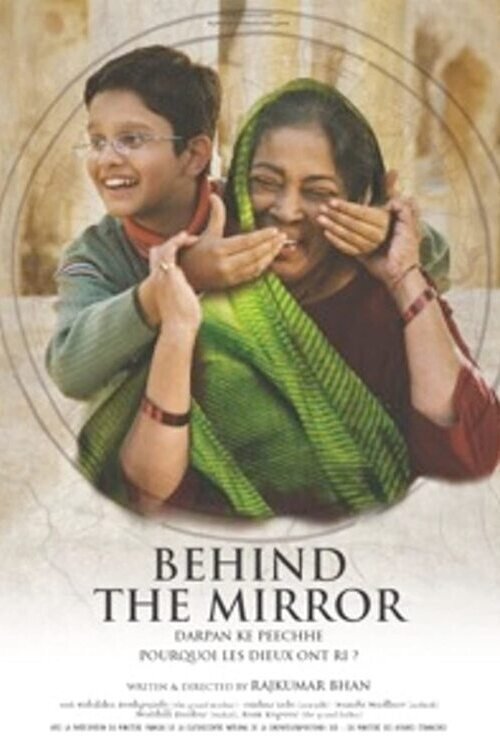
The narrative of Behind the Mirror revolves around Aniket, a middle-class executive living in Pune with his wife Malati and their son Anirudh. When riots break out, Aniket takes his son to his grandmother's place in the small town of Shekhawati, in the heart of the desert. This move marks a turning point for Anirudh, who is exposed to a world far removed from his urban upbringing. As he navigates this new environment, Anirudh forms a deep bond with his grandmother, who introduces him to the rich cultural heritage of the region. The grandmother's stories and the traditional paintings that adorn the walls of their home spark Anirudh's imagination, and he begins to see the world in a new light. The film's exploration of Anirudh's journey is a poignant commentary on the importance of cultural heritage and the need to preserve traditional practices in the face of modernity. Through its nuanced portrayal of family relationships and cultural traditions, Behind the Mirror offers a thought-provoking exploration of the human experience.
Cast & Crew
The film boasts an impressive cast, with Omkar Lele playing the lead role of Aniket. Lele brings a depth and nuance to the character, capturing the complexity of Aniket's emotions as he navigates the challenges of family life and cultural heritage. Nandu Madhav plays the role of Anirudh, bringing a youthful energy and curiosity to the character. Madhav's chemistry with Sulabha Deshpande, who plays the grandmother, is particularly noteworthy, as the two actors bring a warmth and authenticity to their portrayal of the grandmother-grandson relationship. Maithili Zaokar completes the cast, bringing a subtle intensity to the role of Malati. The cast's performances are a testament to the film's ability to evoke a strong emotional response from its viewers, making Behind the Mirror a truly engaging and immersive cinematic experience.
Lead Cast
| Name | Role |
|---|---|
| Omkar Lele | Actor |
| Nandu Madhav | Actor |
| Maithili Zaokar | Actor |
| Sulabha Deshpande | Actor |
| Rajkumar Bhan | Director |
Key Crew
See the full crew breakdown in Quick Facts above, including director, producer, music direction, writing, cinematography, and editing credits.
Director's Vision
Rajkumar Bhan's directorial vision is characterized by a deep respect for cultural heritage and a nuanced understanding of the human experience. The film's cinematography is a key aspect of its visual language, capturing the vibrant colors and textures of the Rajasthan desert. Bhan's use of long takes and static shots creates a sense of intimacy and immediacy, drawing the viewer into the world of the film. The director's creative ambition is evident in his decision to explore the complexities of family relationships and cultural traditions, making Behind the Mirror a film that is both deeply personal and universally relatable. Through its thoughtful portrayal of the human experience, the film offers a powerful exploration of the importance of cultural heritage and the need to preserve traditional practices in the face of modernity.
Music & Soundtrack
The soundtrack of Behind the Mirror is a subtle and unobtrusive aspect of the film, providing a gentle background to the narrative. The music is largely instrumental, with a focus on traditional Rajasthani folk melodies. The score is minimalistic, yet effective, capturing the mood and atmosphere of the film. The music director's decision to use traditional instrumentation and melodies adds to the film's cultural authenticity, making the soundtrack a seamless integration of the film's visual and narrative elements.
Where to Watch
Behind the Mirror was released in theaters on 10 January 2007, offering viewers a chance to experience the film on the big screen. The film's theatrical release strategy was focused on showcasing the film's cultural significance and emotional resonance, inviting viewers to reflect on the importance of family, community, and cultural heritage. While the film may not be widely available on streaming platforms, it can be found on DVD and Blu-ray, offering viewers a chance to experience the film in the comfort of their own homes. For those interested in exploring the film's cultural context, Behind the Mirror is a must-see, offering a unique and immersive cinematic experience that is both deeply personal and universally relatable.
Why Watch Behind the Mirror?
Behind the Mirror is a film that has generated significant industry buzz, with critics praising its nuanced portrayal of family relationships and cultural traditions. The film's exploration of the human experience has resonated with audiences, making it a cultural phenomenon of sorts. As a film that is both deeply personal and universally relatable, Behind the Mirror offers a powerful commentary on the importance of cultural heritage and the need to preserve traditional practices in the face of modernity. The film's cultural significance and emotional resonance make it a must-see for anyone interested in exploring the complexities of human relationships and cultural identity.