Hudai Miss: Unpacking the Genius of Bengali Cinema's Minimalist Comedy-Fantasy
Hudai Miss: A Masterclass in Minimalist Comedy and Fantasy
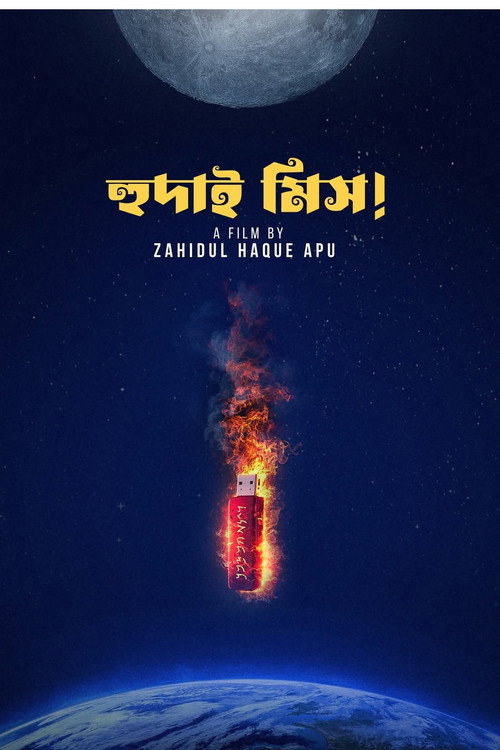
The Bengali Cinema industry has been abuzz with excitement since the release of Hudai Miss in 2026, a six-minute comedy-fantasy film directed by the talented Zahidul Haque Apu. As a screenwriter and industry analyst, I was intrigued by the film's unique blend of humor and fantasy elements, and I wanted to dive deeper into the screenwriting techniques that made it work.
Breaking the Rules: Minimalist Storytelling
At first glance, Hudai Miss appears to be a simple, straightforward story about a pen-drive that falls into a character's path. However, as the film progresses, it becomes clear that the story is intentionally minimalistic, with a focus on the emotional journey of the protagonist rather than a complex plot. This decision allows the audience to connect with the character on a deeper level and invest in their plight. By stripping away unnecessary elements, the film creates a sense of intimacy and immediacy that draws the viewer in.
This technique is reminiscent of the work of French New Wave directors like Jean-Luc Godard, who also experimented with minimalist storytelling in the 1960s. However, Hudai Miss takes this approach to the extreme, with a runtime of just six minutes that challenges the traditional notion of what a "film" should be. This boldness pays off, as the film's brevity actually adds to its impact, making each moment feel precious and essential.
The Power of the "What If" Scenario
One of the most fascinating aspects of Hudai Miss is its use of the "what if" scenario. The film's central question - what would you wish for if someone asked you on the street? - is a universal and relatable one. By posing this question, the film invites the audience to think critically about their own desires and priorities, and to consider the potential consequences of getting what they want. This subtle but powerful approach to storytelling encourages viewers to engage with the film on a deeper level and to reflect on their own lives.
The "what if" scenario is also a masterclass in character development, as it reveals the protagonist's personality and values in a single, pivotal moment. By choosing to wish for something mundane and everyday - a bus to arrive on time - the protagonist reveals their sense of vulnerability and frustration, making them a more relatable and sympathetic character. This is a technique that many writers can learn from, as it shows how a single decision can reveal a character's entire personality in a single moment.
The Magic of the Ordinary
One of the most striking aspects of Hudai Miss is its use of the ordinary to create a sense of magic. By depicting a mundane moment in a relatable way, the film creates a sense of wonder and enchantment that draws the viewer in. This is a technique that has been used by many great writers before, from the likes of Gabriel García Márquez to the great Italian Neorealist directors. However, Hudai Miss takes this approach to the extreme, making the ordinary seem extraordinary and the mundane magical.
This is achieved through the use of language and imagery, which is both concise and evocative. The film's script is a masterclass in economy of language, with each line serving a purpose and contributing to the overall mood of the film. The imagery is equally striking, with a focus on the textures and colors of everyday life that creates a sense of depth and richness. By using the ordinary to create a sense of magic, Hudai Miss shows us the beauty in the mundane and the magic in the everyday.
The Director's Craft
As a director, Zahidul Haque Apu shows a keen eye for detail and a deep understanding of the screenwriting craft. From the opening shot, it's clear that he has a visual style that is both distinctive and engaging, with a focus on long takes and natural lighting that creates a sense of realism and immediacy. The film's sound design is equally impressive, with a focus on diegetic sound and a sparse but effective use of music that adds to the overall mood of the film.
But what really sets Apu apart is his ability to balance tone and pace. The film's humor is both witty and subtle, with a focus on character development rather than cheap gags or one-liners. The pacing is equally well-handled, with a sense of urgency and momentum that propels the viewer through the film. This is a difficult balancing act to achieve, but Apu executes it with ease, creating a film that is both funny and heartfelt, and that leaves the viewer wanting more.
Conclusion: A Film for the Ages
So what does Hudai Miss tell us about the art of screenwriting? For starters, it shows us the power of minimalism and the importance of stripping away unnecessary elements to reveal the true heart of the story. It also demonstrates the value of the "what if" scenario in character development and the importance of using the ordinary to create a sense of magic. But most of all, it reminds us of the importance of balance and pacing, and the need to craft a film that is both funny and heartfelt.
Is Hudai Miss a film for the ages? Only time will tell, but one thing is certain: it is a bold and innovative work that challenges the traditional notions of what a film should be. As a screenwriter and industry analyst, I am excited to see where this new direction takes us, and to see how other writers and directors will respond to the challenges and opportunities presented by Hudai Miss.
Frequently Asked Questions (FAQs)
What inspired the director to make Hudai Miss?
The director, Zahidul Haque Apu, has said in interviews that he was inspired by the idea of using everyday moments to create a sense of magic and wonder. He wanted to explore the idea of what would happen if we took a mundane moment and turned it into something extraordinary.
How long did the film take to make?
The film took just a few weeks to shoot and a few months to edit, with a total runtime of just six minutes. Despite its brevity, the film required a significant amount of planning and preparation from the director and his team.
What message do you think the film is trying to convey?
The film is trying to convey the importance of appreciating the small things in life and finding magic in everyday moments. It also highlights the value of taking risks and trying new things, even if it means failing or making mistakes.
Disclaimer: The views and opinions expressed in this article are those of the author and do not necessarily reflect the official policy or position of CinemaVerse.