Unpacking Power Dynamics in Shobder Khowab: A Gripping Bengali Cinema Drama (2021)
Shobder Khowab: Unpacking the Power Dynamics in Bengali Cinema's 2021 Drama
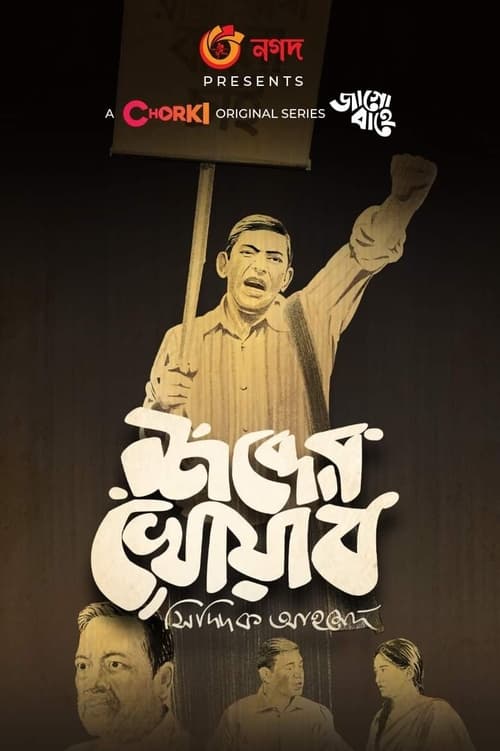
As the Bengali film industry continues to push the boundaries of storytelling, a growing trend of anthology series has emerged in recent years. One standout example from this genre is Shobder Khowab (2021), a 27-minute drama directed by Siddiq Ahamed. Set against the backdrop of the 1952 Bhasa Andolan (Language Movement) in Bangladesh, this anthology episode delves into the everyday lives of office employees and the oppressive nature of the regime they lived under.
Drama and History are genres that often intersect in fascinating ways, and Shobder Khowab is no exception. By exploring the inner workings of an office and the impact of outside forces on the people within it, Ahamed masterfully weaves together the mundane with the monumental. This narrative choice serves as a poignant reminder that the personal is, indeed, political.
Themes of Oppression and Resistance
- The Bhasa Andolan was a pivotal moment in Bangladesh's history, marking a struggle for linguistic and cultural identity. In Shobder Khowab, Ahamed expertly captures the essence of this tumultuous period by focusing on the office as a microcosm of the larger society.
- As the employees navigate their daily lives, the tension between compliance and defiance becomes increasingly palpable. This internal struggle highlights the complexities of resistance, emphasizing that even in the most mundane of situations, the seeds of change can be sown.
- The script, penned by Ahamed himself, excels in its portrayal of the oppressive regime through the subtle yet telling interactions between characters. By focusing on the everyday, Ahamed sheds light on the quiet ways in which power dynamics are exercised and resisted.
Direction and Performances
As the director and writer, Siddiq Ahamed brings a clear vision to the project, guiding the audience through the complex emotional landscape of the characters. His ability to balance tone and pacing ensures that the narrative remains engaging, even in the face of somber subject matter.
Although specific information about the cast is limited, it is clear that the performances are authentic and well-suited to the demands of the story. The actors' ability to convey the emotional toll of living under oppression adds depth to the narrative and underscores the importance of the events being depicted.
"The quiet moments, the ones where no grand gestures are made, are often the most telling indicators of a character's true nature." – Siddiq Ahamed
This quote, from Ahamed himself, serves as a powerful insight into the film's approach to character development. By focusing on the subtleties of human interaction, Shobder Khowab offers a nuanced portrayal of the everyday struggles of its characters, making their struggles feel all the more relatable and impactful.
A Verdict for the Viewer
While Shobder Khowab may not be a universally appealing film, its unique blend of drama and history makes it a must-watch for those interested in Bengali Cinema. As a standalone episode in the anthology series 'Jaago Bahey', this 27-minute drama serves as a thought-provoking exploration of the human experience under oppression.
Ultimately, the decision to watch Shobder Khowab will depend on the viewer's taste in storytelling. If you're drawn to character-driven drama and appreciate historical context, then this 2021 release is well worth your time. However, if you prefer more action-oriented or plot-driven narratives, you may find Shobder Khowab to be a less engaging offering.