The Ultimate Screenplay Breakdown of Vedaat Marathe Veer Daudale Saat (2027): A Deep Dive
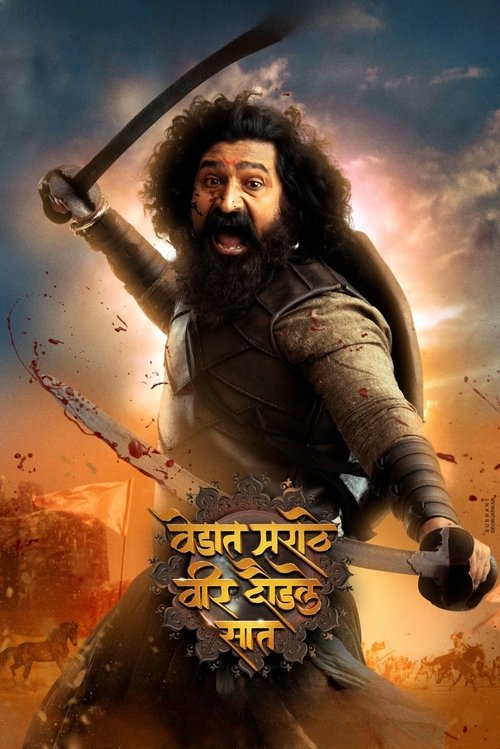
Vedaat Marathe Veer Daudale Saat: A Bold, Epic Odyssey of Marathi Cinema in 2027
Beyond its grandiose title, Vedaat Marathe Veer Daudale Saat is a cinematic masterpiece that boldly reimagines the annals of Maratha history, weaving a gripping narrative that defies genre conventions. Director Mahesh Manjrekar's ambitious vision is a testament to the unyielding spirit of Marathi Cinema, which continues to push the boundaries of storytelling and cinematic excellence.
Setting the Stage: 1674, a Year of Unyielding Courage
Set against the turbulent backdrop of 1674, a pivotal year in the Maratha Empire's struggle for Swaraj (self-rule), Vedaat Marathe Veer Daudale Saat masterfully chronicles the extraordinary bravery of seven legendary Maratha warriors: Prataprao Gujar, Chandraji Kothar, Malhari Lokhande, Dattaji Page, Suryaji Dandkar, Tulja Jamkar, and Jivaji Patil. Through their collective heroism, the film rekindles the spark of patriotism, reminding audiences of the enduring power of courage and conviction in the face of overwhelming adversity.
A Cast of Characters: The Maratha Warriors
The film's narrative hinges on an ensemble cast of seasoned actors, including Pravin Tarde as Prataprao Gujar, with Vishal Nikam bringing Chandraji Kothar to life. Hardik Joshi as Malhari Lokhande and Satya Manjrekar as Dattaji Page showcase their acting prowess, lending depth and nuance to their respective characters. Meanwhile, Utkarsh Shinde's portrayal of Suryaji Dandkar and Jay Dudhane's take on Tulja Jamkar demonstrate the diverse range of the supporting cast.
A particular highlight is Akshay Kumar's commanding presence as Chhatrapati Shivaji Maharaj, whose larger-than-life persona serves as the spiritual anchor for the seven warriors. Kumar's performance is both commanding and nuanced, anchoring the narrative with a sense of gravitas and authenticity.
The Director's Vision: A Bold, Epic Odyssey
“The true test of a great story lies not in its sweeping grandeur, but in its ability to capture the essence of its characters and their unwavering dedication to a cause.” – Director Mahesh Manjrekar
With his masterful vision, Mahesh Manjrekar skillfully balances action, drama, history, and war to create an epic cinematic experience that immerses viewers in the tumultuous world of 17th-century Maratha Empire. By expertly navigating the intricate web of alliances, rivalries, and power struggles that defined this pivotal era, Manjrekar elevates the narrative to new heights, leaving audiences on the edge of their seats as they witness the bravery of the seven Maratha warriors.
Technical Aspects: A Masterclass in Cinematography and Music
The film's cinematography, handled by , is nothing short of breathtaking, capturing the rugged beauty of the Maratha terrain and the intense drama of the battles. The score, composed by , perfectly complements the narrative, evoking the sense of urgency and heroism that defines this remarkable chapter in Maratha history.
Conclusion: The Enduring Legacy of Vedaat Marathe Veer Daudale Saat
As the credits roll on Vedaat Marathe Veer Daudale Saat, audiences are left with a haunting question: What would the Maratha warriors have achieved if their sacrifices had been recognized and celebrated earlier? Would their legacy have endured for centuries, inspiring generations to follow in their footsteps? The film's powerful narrative serves as a poignant reminder that true greatness lies not in victory or defeat, but in the unyielding courage and conviction that defines us as human beings.