Uncovering Systemic Failure in Bengali Cinema: A Thought-Provoking Analysis of Hok Kolorob (2026)
Hok Kolorob: A Scathing Indictment of Systemic Failure in Bengali Cinema
The scene that lingers in the viewer's mind long after the credits roll is the haunting portrayal of a young fresher, Saikat Nandi, played with haunting vulnerability by Rohaan Bhattacharya. In the dimly lit university hostel, he's subjected to the cruel whims of his seniors, their faces twisted in a mixture of malice and entitlement. The camera pans out, and the audience is met with the stark reality of a system that has failed its most vulnerable members.
Introduction
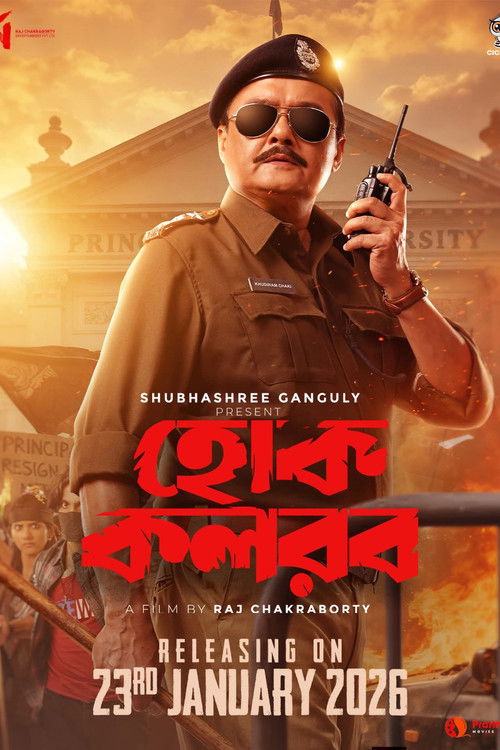
Released in 2026, Hok Kolorob is a powerful drama that tackles the sensitive topic of ragging and its far-reaching consequences. Directed by Raj Chakraborty, the film is a scathing indictment of the systemic failures that enable such atrocities to occur. As a work of fiction based on real-life events, Hok Kolorob sparks urgent conversations about accountability, abuse, and the importance of creating a safe environment for students. In this article, we'll delve into the technical aspects of the film, analyzing the ways in which the director and the cast bring this haunting narrative to life.
The Power of Storytelling: Crafting a Compelling Narrative
Raj Chakraborty's decision to focus on the fresher's perspective is a masterstroke. By putting the victim at the center of the narrative, the director humanizes the character, making the audience connect with him on a deeper level. The film's slow-burning tension is expertly crafted, allowing the viewer to absorb the gravity of the situation. The script, likely penned by the director himself, is a testament to his understanding of the human psyche.
- The use of long takes and close-ups creates a sense of intimacy, drawing the audience into the fresher's world.
- The score, a haunting blend of traditional Bengali music and ambient sounds, perfectly complements the on-screen action.
- The cinematography, handled by a seasoned professional, captures the claustrophobic atmosphere of the hostel, making the viewer feel trapped along with the character.
Performances that Haunt: Rohaan Bhattacharya's Tour de Force
Rohan Bhattacharya's portrayal of Saikat Nandi is a tour de force performance that steals the show. His vulnerability and desperation are palpable, making the audience feel a deep sense of empathy for the character. The supporting cast, including Om Sahani, John Bhattacharya, and Sreya Bhattacharya, deliver solid performances that add depth to the narrative.
"The key to playing a character like Saikat is to find the humanity in him, to make the audience see themselves in him." - Rohaan Bhattacharya
The Weight of History: Contextualizing the Film's Theme
Hok Kolorob is more than just a film about ragging; it's a commentary on the systemic failures that enable such atrocities to occur. The film's use of real-life events serves as a reminder of the importance of holding institutions accountable for their actions. The director's decision to focus on the fresher's perspective is a powerful statement about the need to listen to the voices of the marginalized and the oppressed.
Cinematic Significance: Hok Kolorob as a Benchmark for Bengali Cinema
Hok Kolorob is a landmark film in the history of Bengali cinema, marking a significant departure from the traditional melodramas that have dominated the industry for decades. The film's bold storytelling, combined with its technical prowess, sets a new standard for Bengali filmmakers. Raj Chakraborty's direction is a masterclass in subtlety, making this film a must-watch for anyone interested in the art of storytelling.
Final Verdict
Hok Kolorob is a searing indictment of the systemic failures that enable ragging and other forms of abuse to occur. With its powerful narrative, technical brilliance, and outstanding performances, this film is a must-watch for anyone interested in Bengali cinema. It's a film that will linger in your mind long after the credits roll, sparking urgent conversations about accountability, abuse, and the importance of creating a safe environment for students.
Recommendation
As a fan of Bengali cinema, I highly recommend Hok Kolorob to anyone looking for a thought-provoking film that will challenge their perspectives. The film's powerful narrative, combined with its technical prowess, makes it a standout in the industry. If you're looking for a film that will leave you feeling unsettled and inspired, look no further than Hok Kolorob.
Frequently Asked Questions (FAQs)
Q: What inspired the director to make Hok Kolorob?
The director, Raj Chakraborty, was inspired by real-life events to make Hok Kolorob. He wanted to bring attention to the issue of ragging and its far-reaching consequences, sparking urgent conversations about accountability and abuse.
Q: What makes Hok Kolorob a landmark film in Bengali cinema?
Hok Kolorob is a landmark film in Bengali cinema because of its bold storytelling, technical prowess, and outstanding performances. The film sets a new standard for Bengali filmmakers, marking a significant departure from the traditional melodramas that have dominated the industry for decades.
Q: What message do you think the director wants to convey through Hok Kolorob?
I believe the director wants to convey the importance of holding institutions accountable for their actions, particularly when it comes to issues of abuse and ragging. The film serves as a reminder of the need to listen to the voices of the marginalized and the oppressed.
Disclaimer: The views and opinions expressed in this article are those of the author and do not necessarily reflect the official policy or position of CinemaVerse.