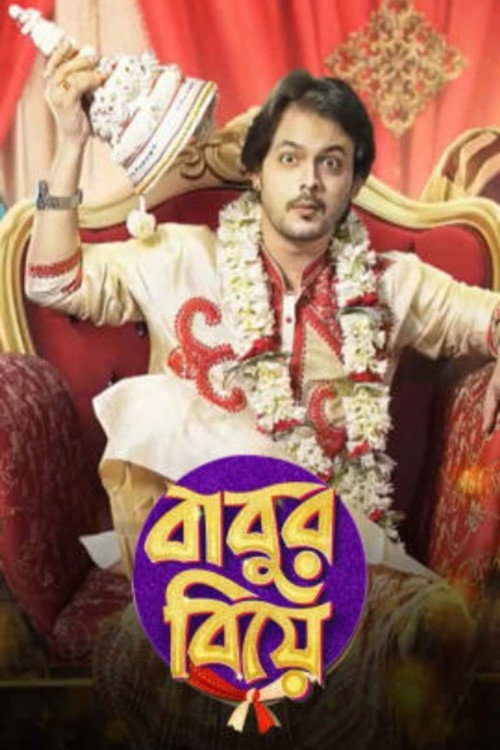
Unlocking the Symbolism in Babur Biye: A Thought-Provoking Bengali Drama
Beneath the Surface of Babur Biye: Unpacking the Symbolism in Bengali Cinema's 2018 Drama
The release of Babur Biye in 2018 sparked a wave of curiosity among audiences and critics alike. On social media platforms, viewers shared their thoughts and reactions to the film, often praising its nuanced portrayal of family dynamics and the complexities of relationships. As a thought-provoking drama, Babur Biye invites viewers to look beyond its surface-level narrative and delve into the rich symbolism that underlies its story.
The Mother-Son Dialectic: A Symbolic Exploration of Overprotection and Independence
At the heart of Babur Biye lies the complex relationship between its protagonist, Babu, and his overbearing mother. Director Prabir Ganguly masterfully crafts this dynamic to serve as a potent symbol for the struggles of growing up and finding independence. Through the lens of this toxic mother-son relationship, the film sheds light on the damaging effects of overprotection and the importance of allowing individuals to spread their wings.
The mother's actions, though motivated by a desire to protect her son, are ultimately a hindrance to his emotional growth. This serves as a potent metaphor for the societal pressures that often dictate our lives. In this context, the mother's character can be seen as a symbol for the external forces that seek to control and manipulate us, stifling our potential and individuality.
Payel: The Symbol of Liberation and Freedom
The introduction of Payel, the love interest, marks a significant turning point in the narrative. As Babu becomes increasingly drawn to her, he begins to realize the importance of his own agency and autonomy. Payel can be seen as a symbol of liberation, representing the freedom and independence that Babu seeks but has long been denied.
The bond between Babu and Payel serves as a counterpoint to the suffocating relationship he shares with his mother. Her presence highlights the ways in which our choices and decisions shape our lives, and the empowering effect of forging our own paths. In this sense, Payel's character functions as a beacon of hope, illuminating the possibilities that lie beyond the restrictive boundaries of our upbringings.
"The struggle to break free from the shackles of our past is a universal human experience. Babur Biye offers a poignant reminder that our ability to move forward is often hindered by the very people who claim to care for us the most."
Themes of Tradition and Modernity
The film also explores the tensions between tradition and modernity, particularly in the context of Bengali society. Through its portrayal of a young man struggling to navigate the complexities of relationships and personal identity, Babur Biye raises important questions about the role of tradition in shaping our lives. As Babu grapples with the demands of his mother and the expectations of his community, he must also confront the need for change and adaptation in a rapidly evolving world.
In this regard, the film serves as a powerful commentary on the state of modern Bengali society, highlighting the need for greater flexibility and openness in the face of societal and cultural norms. As such, the protagonist's journey can be seen as a symbolic representation of the ongoing quest for harmony between tradition and modernity.
A Film Worth Revisiting: A Personal Recommendation
As a film enthusiast, I can attest to the enduring power and complexity of Babur Biye. This 2018 drama may have flown under the radar for some viewers, but its thought-provoking themes and nuanced symbolism make it a must-watch for anyone interested in exploring the depths of human relationships and the intricacies of Bengali cinema. If you haven't already, take the time to revisit Babur Biye and discover the rich symbolism that lies beneath its surface.