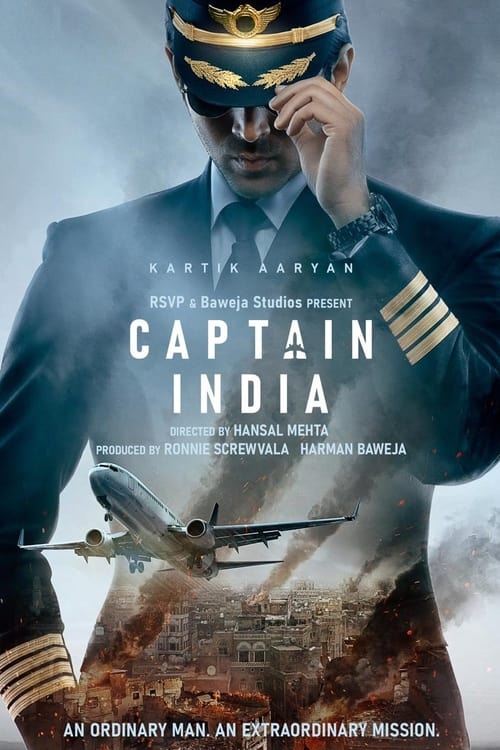
Unpacking the Heroic Mindset in Captain India: A Bollywood Thriller's Dialogue Analysis
Unpacking the Heroic Mindset: A Dialogues Analysis of Captain India
Can a cinematic portrait of a national hero, crafted through dialogue, truly capture the essence of patriotism and duty, or does it risk reducing these complex emotions to simplistic platitudes?
Establishing the Hero's Code
Shimit Amin's Captain India, released in 2027, attempts to address this very question by weaving a gripping narrative around the life of a decorated soldier, played by Kartik Aaryan. The film's script, penned by Harman Baweja, delves into the psyche of the protagonist, laying bare the intricacies of his inner world. A crucial aspect of this exploration lies in the dialogue, which serves as a window into the hero's thoughts, emotions, and motivations.
A Hero's Dilemma
- A pivotal scene unfolds in the film's second act, where the protagonist is faced with a heart-wrenching decision that pits his loyalty to the nation against his commitment to his family. The tension builds as he grapples with the moral implications of his actions, and the dialogue reveals the inner turmoil he's experiencing.
- "I didn't join the army to protect my family, I joined to serve the nation. But can I turn my back on my loved ones when duty calls?" The protagonist's words hang in the air, a poignant reminder of the sacrifices made by those who don the uniform.
The dialogue in this scene not only humanizes the hero but also highlights the complexities of his role. By putting a face to the abstract concept of duty, the script underscores the difficulties faced by those in the military, who must navigate the fine line between loyalty and love.
The Weight of Responsibility
A pivotal monologue, delivered by the protagonist early in the film, sets the tone for his heroic journey. "A captain is not just a leader, he's a protector, a guardian, and a symbol of hope. The weight of that responsibility is crushing at times, but it's what drives me to keep pushing forward." These words not only define the hero's role but also convey the emotional toll of carrying that responsibility.
"The true essence of a hero lies not in his actions, but in his willingness to put the needs of others before his own."
This insight, voiced by a character early in the film, resonates throughout the narrative, serving as a reminder that heroism is not solely about individual bravery but also about selflessness and sacrifice.
Patriotism and Identity
Captain India skillfully walks the tightrope between celebrating patriotism and avoiding jingoistic rhetoric. The dialogue effectively conveys the complexities of national identity, highlighting the nuances of what it means to be a part of a nation.
- A poignant exchange between the protagonist and his comrade-in-arms serves as a testament to this. "We're not just soldiers, we're sons of the soil. Our duty is to protect this land, but it's also our duty to protect each other." This conversation underscores the personal connections that underpin national loyalty.
- "Patriotism is not just about love for the nation; it's also about love for the people." These words, spoken by the protagonist, emphasize the human aspect of national identity, highlighting the emotional bonds that exist between citizens.
Through its nuanced exploration of the hero's inner world, Captain India offers a compelling portrayal of patriotism, one that transcends simplistic platitudes and instead grapples with the complexities of national identity.
As we reflect on the dialogue in Captain India, we're left with a crucial question: Can a film about national duty ever truly capture the essence of patriotism, or will it always be a representation, a watered-down version of the complex emotions that drive individuals to serve their country?