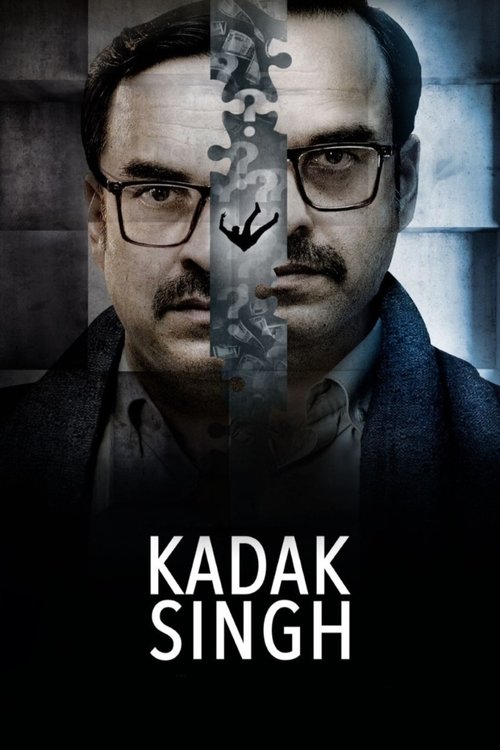
Unraveling Kadak Singh 2023: A Cinematic Exploration of Time's Impact
Unraveling the Threads of Time: An Editing Analysis of Kadak Singh (2023)
Director Aniruddha Roy Chowdhury's Kadak Singh, a 2023 Bollywood drama-thriller, weaves a complex narrative that delves into the intricacies of human memory and the devastating effects of time's relentless passage. Chowdhury's vision is characterized by his meticulous attention to detail, a trait that is evident in every frame of Kadak Singh. As the film's editor, Dipika Dham, skillfully navigates the intricate web of time, she not only maintains the pace of the story but also masterfully manipulates the emotional core of the film, creating a cinematic experience that is as thought-provoking as it is captivating.
The Unreliable Narrator: Exploring the Power of Memory and Perception
One of the most striking aspects of Kadak Singh's editing is its use of non-linear narrative structure. By fragmenting the timeline and presenting the events out of chronological order, the film cleverly subverts the audience's expectations, mirroring the protagonist's own disjointed recollections. This technique not only highlights the fragmented nature of human memory but also underscores the inherent unreliability of the narrator, leaving the viewer questioning the accuracy of the events unfolding on screen.
"Memory is a canvas of our experiences, painted with the hues of emotion and perception. The act of remembering is not a recall, but a reinterpretation, a reimagining, and a recontextualizing of our past." - A K Shrivastava, protagonist of Kadak Singh
This insight is crucial in understanding the film's portrayal of memory as a fluid and subjective concept. The editing process masterfully captures the disjointed nature of memory, with fragmented sequences often being interrupted by disorienting flashbacks, further emphasizing the disconnection between past and present. This non-linear narrative structure not only adds to the tension and suspense but also serves as a powerful metaphor for the fragility and fallibility of human memory.
The Pacing of Emotion: A Delicate Balance of Tension and Release
The editing of Kadak Singh is not just a technical exercise but also a deeply emotional one. The filmmakers have taken great care in crafting a narrative that is both intellectually stimulating and emotionally resonant. The pacing of the film is expertly managed, with a delicate balance of tension and release that keeps the viewer engaged and invested in the story. The editing room, under Dipika Dham's skilled hands, becomes a sanctuary for the emotions, a space where raw feelings are distilled into a cinematic experience that is both poignant and powerful.
The use of silence and sound design is particularly noteworthy, adding depth and texture to the narrative. The judicious application of music, sound effects, and even the absence of sound creates a sonic landscape that is as much a character as the actors themselves. This attention to detail, a hallmark of Chowdhury's vision, ensures that the film's emotional core is never compromised, and the audience is always left with a lasting impression.
The Fragmented Self: A Reflection of Our Times
Kadak Singh is a film that defies easy categorization. On the surface, it is a thriller about a man's quest for truth, but beneath this lies a nuanced exploration of the human condition. The film's portrayal of a protagonist struggling to reclaim his past, to rebuild his sense of identity, resonates deeply in today's world. In an era where social media has created fragmented personas, where online profiles and curated personas often mask the complexity of the human experience, Kadak Singh offers a searing critique of our times.
The film's conclusion, a poignant reflection on the impermanence of memory, is a powerful commentary on the transience of human existence. As the protagonist's world begins to disintegrate, we are left with a haunting question: what remains when the fabric of memory begins to fray? This is the central concern of Kadak Singh, a film that challenges us to confront the fragility of our own identities and the devastating consequences of time's relentless passage.
Conclusion: The Enduring Power of Memory
Kadak Singh is a film that will haunt you long after the credits roll. Aniruddha Roy Chowdhury's direction, Dipika Dham's editing, and the entire cast's performances all come together to create a cinematic experience that is both thought-provoking and emotionally resonant. As you emerge from the cinema, one question lingers in your mind: what would you do if the threads of your past began to unravel, leaving you with nothing but the fragments of memory? The answer, much like the protagonist's, remains elusive, lost in the labyrinthine corridors of the human mind. But this is the beauty of Kadak Singh – a film that reminds us that our memories, no matter how fragile or fragmented, remain the most precious commodities we possess.