Unraveling the Layers of Time in Kaleidoscope Now, a Cinematic Tribute to Mrinal Sen
Unraveling the Tapestry: An In-Depth Editing Analysis of Kaleidoscope Now (2024)
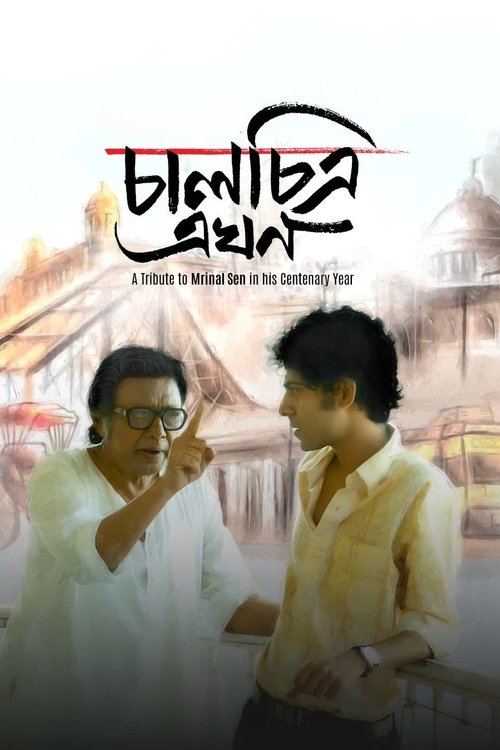
On the surface, Kaleidoscope Now appears to be a delightful tribute to the Bengali Cinema legend, Mrinal Sen, but upon closer examination, the film reveals itself to be a complex, layered narrative that not only pays homage to the auteur but also delves into the intricacies of creative collaboration.
The Dance of Temporalities
One of the most striking aspects of Kaleidoscope Now's editing is its fluid manipulation of time. Director Anjan Dutt masterfully weaves together the various timelines, effortlessly gliding between the past and present, the personal and professional. The seamless transitions create a dreamlike quality, immersing the viewer in the world of Kunal Sen and Ranjan as they embark on their ambitious film project, Chaalchitra.
The editing team's use of temporal juxtapositions is particularly noteworthy. By interspersing scenes from 1981, the year Chaalchitra was conceptualized, with those of the present, they underscore the enduring impact of Sen's work on contemporary Bengali Cinema. This technique also serves to highlight the personal costs of creative ambition, as Kunal and Ranjan's relationships are pushed to the breaking point.
A Study in Contrasts
The film's editing is also notable for its attention to contrast. From the stark, high-contrast black-and-white sequences that evoke the world of Chaalchitra, to the vibrant, saturated colors that represent the present-day characters' experiences, every visual choice serves to underscore the themes of the film.
The juxtaposition of Ranjan's (Sawon Chakraborty) domestic life with his work on Chaalchitra is a case in point. The quiet domesticity, shot in muted tones, serves as a counterpoint to the creative chaos of the film set, where Sen's (Suprobhat Das) vision knows no bounds. This contrast highlights the sacrifices that artists must make for their craft, as well as the importance of maintaining a sense of self in the face of overwhelming external pressures.
"The art of editing is not just about cutting scenes, it's about creating a new language, one that speaks directly to the viewer's heart." - Anjan Dutt
The Cutting Edge of Collaboration
Kaleidoscope Now's editing also shines a light on the intricacies of creative collaboration. The film presents a nuanced portrayal of the relationships between Kunal, Ranjan, and the other members of their team, highlighting both the joy and the tension that come with working together towards a common goal.
The scenes depicting the development of Chaalchitra are some of the most captivating in the film, as they showcase the give-and-take that occurs between collaborators. The editing team's use of long takes and handheld camera work captures the energy and dynamism of the creative process, giving the viewer a sense of being part of the team.
A Verdict for the Ages
Kaleidoscope Now is a triumph of editing, a film that not only pays tribute to the great Mrinal Sen but also explores the very essence of creative collaboration. If you're a fan of Bengali Cinema or simply appreciate the art of editing, this film is an absolute must-watch. However, viewers looking for a straightforward narrative or shallow characterizations may find themselves lost in the film's layered, dreamlike narrative.
Ultimately, Kaleidoscope Now is a testament to the power of editing to shape our perceptions and understanding of the world around us. It is a film that will appeal to cinephiles, scholars, and anyone interested in the art of storytelling. As such, it is a landmark work that will be remembered for years to come.