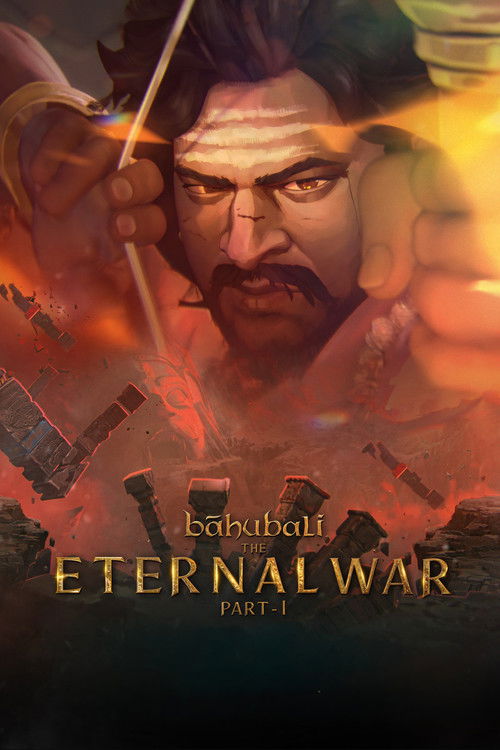
Baahubali: The Eternal War – Part 1 Cinematography Breakdown: Unveiling the Visual Odyssey
Cinematography Breakdown: "Baahubali: The Eternal War – Part 1" (2027): A Visual Odyssey Through the Cosmos
As the cinematic behemoth that is the "Baahubali" franchise continues to soar to greater heights, director Ishan Shukla's ambitious attempt to redefine the boundaries of animation and storytelling in "Baahubali: The Eternal War – Part 1" is a tour de force that redefines the term 'visual spectacle.' With a grand canvas that spans across 14 realms, this mind-bending epic not only reimagines the universe but also challenges our perceptions of time, space, and the very fabric of reality.
The Eternal War: A Symphony of Action and Emotion
The movie's most striking aspect is its seamless blend of action, drama, and fantasy elements, which is a testament to the exceptional craftsmanship of the cinematography team. Each frame is meticulously crafted to transport the audience into the heart of the eternal conflict between Devas and Asuras, with the camera work effortlessly oscillating between frenetic battle sequences and poignant emotional moments.
From the moment the film's narrative kicks off with the murder of Prince Baahubali, it becomes clear that this is a story that will not be bound by conventional narrative structures. Instead, Shukla and his team opt for a more immersive experience, plunging the viewer into the afterlife realm, where the prince's spirit is reborn into a world of wonder and awe. This bold choice not only upends our expectations but also sets the tone for a visual journey that defies categorization.
Cinematic Universality: The Power of Visual Storytelling
One of the most striking aspects of "Baahubali: The Eternal War – Part 1" is its ability to transcend cultural and linguistic boundaries, speaking to a universal audience in a language that is both poetic and visceral. By leveraging the full expressive potential of animation, the filmmakers are able to convey complex ideas and emotions with a precision and nuance that is simply breathtaking.
As
the great cinematographer, Emmanuel Lubezki, once observed, 'The most valuable thing you can learn as a filmmaker is how to see.' In "Baahubali: The Eternal War – Part 1," Shukla and his team demonstrate a mastery of this art, coaxing the audience into a world of vivid colors, textures, and patterns that is at once both familiar and yet utterly alien.
Technical Marvels: The Art of World-Building
From a technical standpoint, "Baahubali: The Eternal War – Part 1" is a marvel that showcases the capabilities of cutting-edge animation technology. The film's 3D rendering is so seamless that it becomes easy to forget that we're watching a simulation at all, with the world of the Devas and Asuras unfolding before our eyes with a level of detail that is simply breathtaking.
The production design is equally impressive, with each realm boasting its own unique visual identity that is at once both fantastical and realistic. Whether it's the gleaming spires of the Deva kingdom or the foreboding fortresses of the Asura hordes, every frame is meticulously crafted to transport the viewer into a world of wonder and awe.
The Timeless Allure of Myth and Legend
Beneath its dazzling surface, "Baahubali: The Eternal War – Part 1" is a deeply personal and philosophical exploration of the human condition, drawing on the timeless wellspring of mythology and legend to explore fundamental questions about the nature of reality, time, and space.
At its core, this is a film about the enduring power of storytelling, which transcends borders, cultures, and languages to speak directly to our hearts and minds. As the prince Baahubali's journey unfolds, we are reminded that even in a world of chaos and uncertainty, there is always hope, always a chance for redemption and rebirth.
As the audience is left to ponder the eternal questions of "Baahubali: The Eternal War – Part 1," one thing becomes clear: this is a film that will be etched in our collective memory for generations to come, a testament to the transformative power of art and imagination. Will we be able to fully grasp the vast cosmos of this epic, or will it remain an enigma, a mystery waiting to be unraveled by future generations of filmmakers and audiences alike?