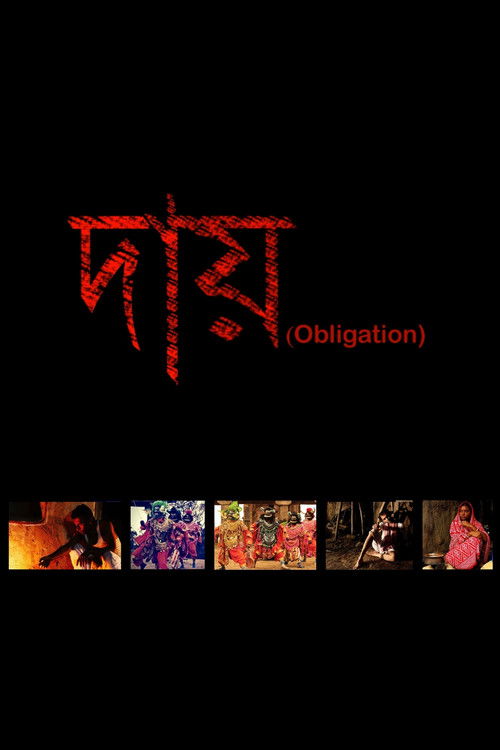
Obligation (2021) - Haunting Portrait of Obligation in Bengali Cinema and Responsibility
Cinematography Breakdown: Obligation (2021) - A Haunting Portrait of Obligation in Bengali Cinema
Standing Out in the Shadows: Obligation's Disturbing Portrait of Responsibility
The darkness falls, enveloping the protagonist in a shroud of despair as the camera pans over the crumbling structures of his reality. In Jyotirmay Deb's Obligation, the opening scene expertly plunges the viewer into the abyss of its protagonist's psyche, setting the tone for a thought-provoking exploration of obligation and responsibility in the context of Bengali Cinema. Director Jyotirmay Deb takes the reins as both the creative force behind the project and the lead actor, immersing himself in the complexities of the character's downward spiral as the lines between duty and desperation begin to blur.
Framing the Crisis: A Cinematic Approach to Character Development
One of the standout aspects of Obligation's cinematography is the deliberate use of shadows and lighting to illustrate the protagonist's internal struggle. The cinematographer skillfully employs low-key lighting, casting long shadows across the protagonist's face as he navigates the desolate landscape of his mental state. This technique not only adds a sense of foreboding but also serves as a visual representation of the weight of obligation bearing down on him. As the story progresses, the camerawork becomes increasingly claustrophobic, emphasizing the protagonist's growing sense of entrapment and hopelessness.
“The darkness is not just a metaphor for the absence of light, but a tangible representation of the void within.” - Jyotirmay Deb, Director
This quote from the director offers a poignant insight into the cinematographic approach employed in Obligation. Deb's decision to harness the power of shadows effectively conveys the protagonist's emotional state, inviting the viewer to immerse themselves in his world. By doing so, the film masterfully evokes a sense of empathy, making it impossible to look away as the protagonist's situation spirals out of control.
A Haunting Portrait of Responsibility
Obligation's cinematography is characterized by its stark realism, eschewing flashy visuals in favor of a more subdued approach that perfectly complements the narrative's somber tone. The camerawork is unobtrusive, allowing the viewer to focus on the protagonist's struggles without distraction. The film's color palette is similarly muted, with a predominantly dark color scheme that underscores the sense of hopelessness pervading the protagonist's life. This deliberate choice serves as a potent reminder of the crushing weight of obligation, a theme that is expertly woven throughout the narrative.
A Cinematographer's Craft: Capturing the Intimate Moments
As the story unfolds, the cinematographer's skill becomes increasingly apparent, particularly in the portrayal of intimate moments between the protagonist and those around him. These scenes are notable for their subtlety, often taking place in quiet, dimly lit spaces where the characters' emotions are laid bare. The camerawork here is characterized by a deep sense of introspection, allowing the viewer to eavesdrop on the characters' innermost thoughts and feelings. These moments are skillfully captured, revealing the intricate web of relationships that binds the protagonist to those around him, and ultimately, to his own sense of obligation.
Conclusion: A Haunting Portrait of Obligation
Obligation is a powerful exploration of obligation and responsibility, presented through a haunting cinematic portrait that refuses to shy away from the darker aspects of human nature. Director Jyotirmay Deb's bold approach to cinematography elevates the narrative, inviting the viewer to immerse themselves in the world of the protagonist. If you're looking for a thought-provoking drama that will leave you pondering the complexities of human obligation, then Obligation is a must-watch. However, be warned: the film's somber tone and unflinching portrayal of responsibility may not be to everyone's taste.