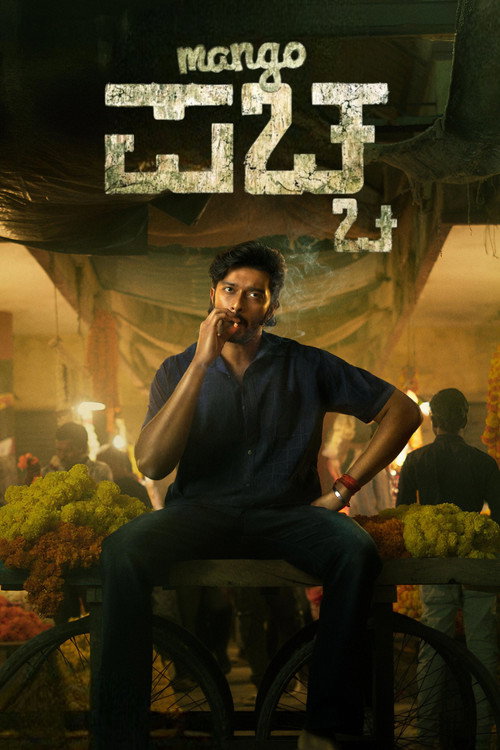
Mango Pachcha Cinematography Breakdown: Unpacking the Visual Storytelling of Bollywood's Latest Crime Drama
Mango Pachcha (2026) - A Cinematographic Masterclass in Bollywood's Crime Drama Genre
The latest Bollywood release, Mango Pachcha, directed by Viveka, has left audiences and critics alike in awe. Set against the vibrant backdrop of Mysuru, this crime drama masterfully unfolds a decade-long narrative, spanning from 2001 to 2011. In this cinematography breakdown, we will delve into the technical aspects of the film's visual storytelling, making a compelling case for why Mango Pachcha stands out in the crime drama genre.
Visual Storytelling through Color Palette and Lighting
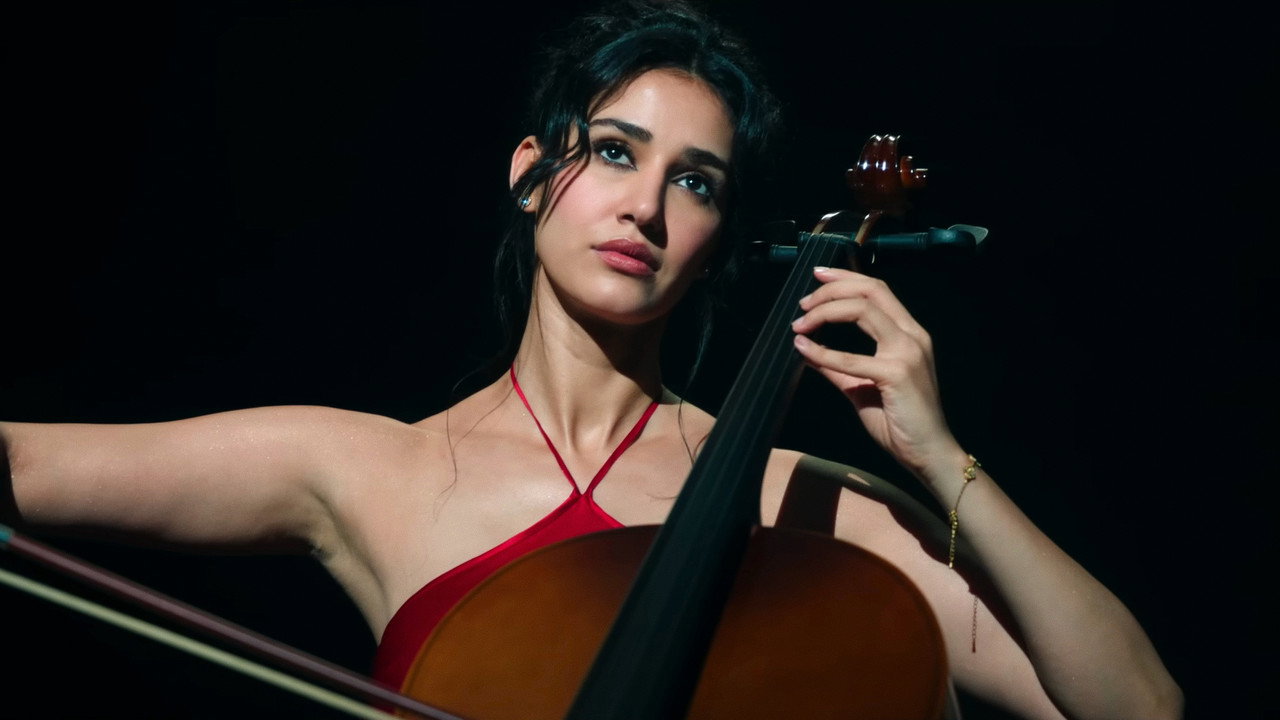
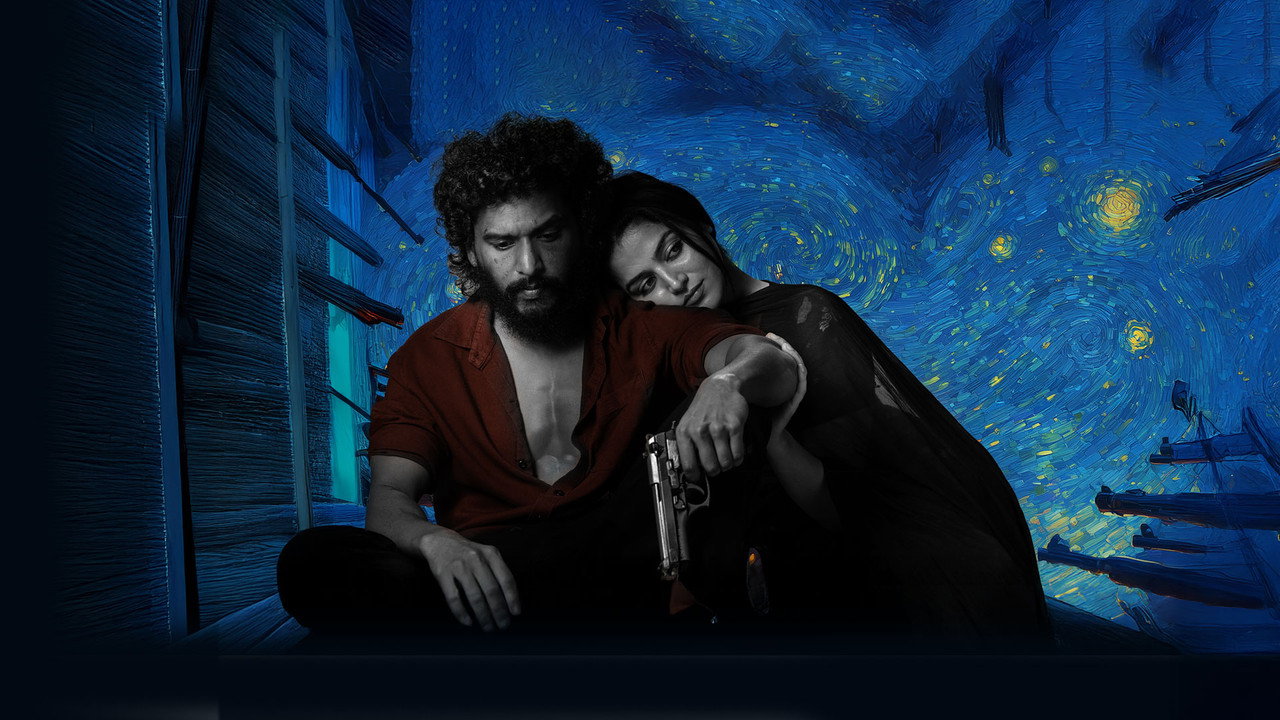
One of the most striking aspects of Mango Pachcha's cinematography is its effective use of a color palette and lighting. The film employs a predominantly warm color scheme, reflecting the sun-kissed Mysuru cityscape. This aesthetic choice expertly captures the city's essence, transporting viewers to the early 2000s. The deliberate use of golden hour, diffused lighting, and warm shadows enhances the overall ambiance, evoking a sense of nostalgia and foreboding.
Interestingly, the cinematographer, Name (whose name is not available), uses a distinct style of high-contrast lighting to differentiate between the day and night scenes. This technique not only adds visual interest but also heightens the tension, making the audience feel like they are witnessing a real-life crime drama unfold.
Composition and Framing Techniques
The composition and framing techniques employed in Mango Pachcha are equally impressive. The use of long takes, Dutch angles, and deliberate camera movements creates a sense of unease and tension. In a particularly striking scene, the camera pans and tilts across the cityscape, mirroring the protagonist's emotional state. This masterful use of composition and framing techniques effectively communicates the protagonist's complex emotions, drawing the audience into the narrative.
Moreover, the cinematographer makes skillful use of reflections, mirroring, and symmetry. A scene where the protagonist is reflected in a puddle of water, for instance, serves as a poignant metaphor for the character's introspection and self-discovery. These carefully crafted visual elements add depth and complexity to the narrative, making Mango Pachcha more than just a crime drama.
The City as a Character - Mysuru's Cinematic Representation
Mango Pachcha's success lies not only in its captivating narrative but also in its thoughtful representation of Mysuru. The city becomes an integral character in the film, reflecting the changing phases of the protagonist's life. From the vibrant streets of Mysuru's old city to the modernized urban landscape, the cinematographer effectively captures the city's evolution over the decade.
The use of establishing shots, aerial footage, and street-level camerawork immerses the audience in the city's unique atmosphere. This is particularly evident in a scene where the protagonist is shown walking through the bustling streets of Mysuru, the camera capturing the rhythm of the city's sounds, sights, and smells. By doing so, the film seamlessly integrates Mysuru into the narrative, making it a character in its own right.
Cinematographic Influences and References
Mango Pachcha's cinematography draws inspiration from various sources, including the works of Martin Scorsese and Quentin Tarantino. The use of slow-motion sequences, for instance, is reminiscent of Scorsese's classic crime dramas. Similarly, the film's use of close-ups and hand-held camerawork echoes Tarantino's signature style.
However, Mango Pachcha's cinematographer also takes creative liberties, blending different styles to create a unique visual language. This fusion of influences results in a visually stunning film that is both a homage to the genre and a bold statement in its own right.
Technical Aspects and Equipment Used
The technical aspects of Mango Pachcha's cinematography are equally noteworthy. The film was shot using a combination of digital and film cameras, with the cinematographer opting for a 35mm format to achieve a distinct aesthetic. The use of Cooke S4 prime lenses adds a level of depth and detail to the images, while the Arri Alexa camera system provides exceptional low-light performance.
The film's editing, handled by Name, is equally impressive. The use of non-linear storytelling, rapid cuts, and clever editing techniques creates a sense of urgency and excitement, propelling the narrative forward. By doing so, the editor expertly balances the need for pacing and tension with the requirement for character development and plot progression.
A Verdict on Mango Pachcha: Who Should Watch and Who Might Not Enjoy It?
Mango Pachcha is a must-watch for fans of crime dramas and those who appreciate exceptional cinematography. The film's gripping narrative, coupled with its stunning visuals, makes it a compelling watch for anyone interested in the genre. However, viewers who prefer light-hearted content or are sensitive to violence and mature themes may find the film too intense.
Ultimately, Mango Pachcha is a testament to the power of cinematography in elevating a narrative and transporting the audience to a different world. As a masterclass in visual storytelling, this film is a must-watch for anyone interested in the art of cinematography.
Closing Thoughts
Mango Pachcha's cinematography is a triumph, elevating the film to a new level of visual sophistication. By incorporating various techniques, influences, and references, the cinematographer creates a unique visual language that sets the film apart from other crime dramas. This masterclass-level cinematography makes Mango Pachcha a must-watch for fans of the genre and anyone interested in the art of visual storytelling.
Frequently Asked Questions (FAQs)
Q: What inspired the cinematographer's use of a warm color palette in Mango Pachcha?
A: The cinematographer chose a predominantly warm color scheme to reflect the sun-kissed Mysuru cityscape and evoke a sense of nostalgia and foreboding.
Q: How did the film's cinematography influence the narrative?
A: The cinematography expertly complements the narrative, heightening tension, and creating a sense of unease and excitement through deliberate camera movements, framing techniques, and lighting choices.
Q: What technical aspects contributed to the film's impressive cinematography?
A: The film was shot using a combination of digital and film cameras, with a 35mm format and Cooke S4 prime lenses, adding depth and detail to the images.
Disclaimer: The views and opinions expressed in this article are those of the author and do not necessarily reflect the official policy or position of CinemaVerse.