Cinematography Breakdown of Shobder Khowab: Masterclass Storytelling in Bengali Cinema
Cinematography Breakdown: Shobder Khowab (2021) - Unveiling the Tense Atmosphere of Bengali Cinema's Hidden Gem
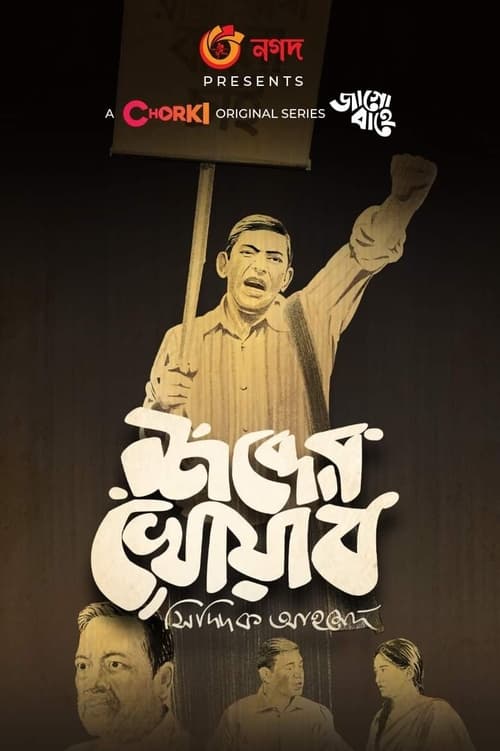
Siddiq Ahamed's Shobder Khowab (2021) may have flown under the radar for many, but its cinematography is a masterclass in storytelling, transporting viewers to the tumultuous days of the 1952 Bhasa Andolan in Bangladesh. This poignant drama, set within the confines of an ordinary office, transcends its short runtime to become an unflinching commentary on the human condition.
A Cinematic Reflection of the Era
Shobder Khowab is the first episode of the anthology series Jaago Bahey, and its cinematography sets the tone for the entire series. Director Siddiq Ahamed's bold choice to focus on the mundane aspects of office life during a time of great upheaval creates a sense of irony, drawing the viewer's attention to the seemingly insignificant moments that often go unnoticed. This deliberate choice serves as a testament to the director's confidence in his vision and his ability to craft a narrative that explores the complexities of human experience.
The cinematographer's use of muted colors, with an emphasis on greys and whites, effectively conveys the drabness and monotony of the office environment. However, this aesthetic also serves to heighten the sense of unease and tension that pervades the atmosphere, as the characters navigate the treacherous waters of an oppressive regime. The camerawork is similarly striking, with a range of techniques used to convey the characters' emotions and interactions.
- The use of close-ups and medium shots allows the viewer to experience the characters' emotions firsthand, drawing them into the world of the office.
- The employment of handheld camera work adds to the sense of realism, creating a sense of immediacy and intimacy.
- The use of natural light, often found in the windows of the office, serves to highlight the contrast between the characters' inner lives and the external world they inhabit.
One of the most striking aspects of the cinematography in Shobder Khowab is its ability to capture the complexity of human emotion. Ahamed's cinematographer masterfully conveys the characters' inner turmoil, from the subtlest hints of anxiety to the full-blown outbursts of frustration. This is achieved through a combination of clever camera placement, subtle lighting, and nuanced performances from the cast.
"Cinematography is not just about capturing images; it's about telling a story, evoking emotions, and creating a world that the viewer can immerse themselves in."
- Siddiq Ahamed, Director of Shobder Khowab
The result is a film that, despite its short runtime, feels both expansive and intimate. Ahamed's Shobder Khowab is a powerful exploration of the human condition, and its cinematography is a key element in its success. By eschewing more conventional narrative structures, Ahamed and his cinematographer create a film that is both a gripping drama and a commentary on the era in which it is set.
A Hidden Gem in Bengali Cinema
Shobder Khowab may have flown under the radar for some, but its cinematography is a testament to the innovative spirit of Bengali cinema. Ahamed's film is a testament to the power of storytelling and the importance of cinematography in capturing the essence of a narrative. As a standalone film and as part of the Jaago Bahey anthology series, Shobder Khowab is a must-see for anyone interested in exploring the rich and diverse world of Bengali cinema.
Conclusion
Shobder Khowab may be a 2021 release, but its cinematography is timeless. As a masterclass in storytelling and a powerful commentary on the human condition, Ahamed's film is a testament to the enduring power of cinema to capture the complexities of the human experience. Whether you're a film buff, a history enthusiast, or simply looking for a thought-provoking drama, Shobder Khowab is a must-see. Don't let its short runtime fool you - this film packs a punch that will linger long after the credits roll.