Discovering Emotional Depth in Pakka: A Cinematography Breakdown of the 2025 Bollywood Drama
Cinematography Breakdown: Pakka (2025) - A Masterclass in Intimacy and Emotional Depth on a Small Scale
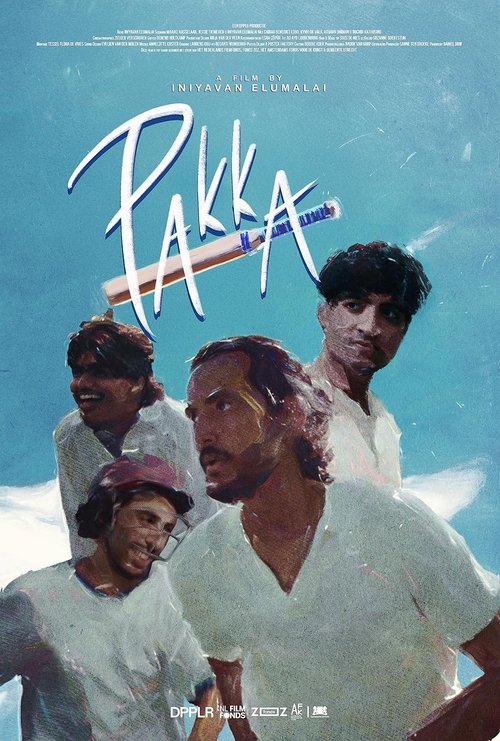
Pakka, the 2025 drama from director Iniyavan Elumalai, is a poignant and powerful exploration of the unbreakable bonds formed between friends, particularly those who may not conform to societal norms. At first glance, its tight 18-minute runtime and seemingly straightforward narrative may suggest a simplistic, surface-level portrayal of a gay chosen family navigating the complexities of an arranged marriage in India. However, upon closer inspection, it becomes clear that the film's true brilliance lies in its masterful cinematography, which imbues each frame with an unwavering sense of intimacy and emotional depth.
The Power of Intimacy in Long Takes
One of the most striking aspects of Pakka's cinematography is its use of long takes. Director Iniyavan Elumalai employs this technique throughout the film, often holding the camera on his subjects for several uninterrupted minutes. At first, this may seem like a bold or even reckless decision, given the film's already condensed runtime. However, it's precisely this kind of commitment to prolonged, unedited takes that allows the viewer to feel an authentic connection with the characters.
Take, for example, the film's pivotal cricket match sequence. As the four friends take to the field, the camera lingers on their movements, capturing every nuance of their interactions in exquisite detail. This prolonged gaze not only creates a sense of immediacy, drawing the viewer into the action, but also underscores the deep emotional resonance between the characters. We're not just observing their physical exploits; we're witnessing the very fabric of their relationships being woven and unwoven before our eyes.
The Art of Framing and Composition
Elumalai's use of framing and composition is equally impressive, often working with his cinematographer to create visually striking tableaux that perfectly encapsulate the emotional tenor of each scene. Take, for instance, the film's depiction of the arranged marriage ceremony. The camera positions itself behind the bride and groom, framing their figures against a backdrop of intricate, ornate decorations. The result is a striking illustration of the societal expectations weighing down on the couple, as well as their growing discomfort with the proceedings.
But perhaps the most striking example of Pakka's masterful cinematography comes in a scene where two of the friends share a tender, quiet moment amidst the chaos of the cricket field. The camera frames them in a narrow, almost claustrophobic space, emphasizing the intimacy of their connection and the deep emotional bond that exists between them. This is no mere shot; it's an experiential journey into the very heart of their friendship.
"The greatest films are not those that tell us stories, but those that reveal to us the intricacies of the human experience."
In Pakka, director Iniyavan Elumalai proves himself to be a masterful storyteller, using the camera as a tool to reveal the very essence of his characters' emotions, relationships, and experiences. His cinematography is a masterclass in intimacy and emotional depth, a testament to the power of film to transport us to the very core of the human condition.
The Challenges and Rewards of Working on a Small Scale
It's worth noting that Pakka's compact runtime and relatively low budget presented significant challenges for the filmmakers. Working within such strict parameters required a tremendous amount of creative ingenuity and restraint on the part of director Elumalai and his team. And yet, rather than limiting the film's scope or ambition, this constraint seems to have actually freed them to explore more nuanced, introspective themes and character interactions.
Ultimately, it's this kind of innovative, risk-taking approach to storytelling that makes Pakka feel so bold and forward-thinking, even in the context of mainstream Bollywood. By embracing the limitations of its small scale, the film's creators have managed to craft a true masterpiece of contemporary cinema, one that will linger in the viewer's mind long after the credits roll.
And so, as we sit here reflecting on the quiet, unassuming power of Pakka's cinematography, we're left with a question that will stay with us long after we finish watching the film: What will it take for more filmmakers to push the boundaries of their own creative possibilities, to tap into the same sense of intimacy and emotional depth that makes Pakka so unforgettable?