Innovative Editing in Bengali Cinema: An In-Depth Analysis of Reverse Myself
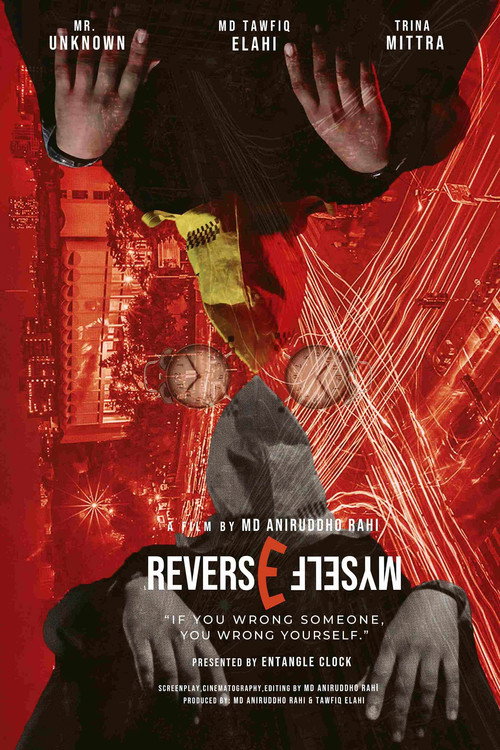
Unraveling Dimensions: An Editing Analysis of Reverse Myself (2027)
In the realm of Bengali Cinema, few filmmakers have demonstrated the same level of ambition as Md Aniruddho Rahi. His latest offering, Reverse Myself, is a 14-minute drama that defies genre conventions and pushes the boundaries of cinematic storytelling. The film's standout scene, in which the protagonist drowns in a pond and becomes trapped in another dimension, is a masterclass in non-linear editing.
The scene unfolds with a mesmerizing sense of fluidity, as time and space blur into a kaleidoscope of fragmented moments. Rahi employs a clever use of jump cuts, seamlessly transitioning between the protagonist's memories and his present reality. This technique serves to heighten the sense of disorientation, drawing the viewer into the protagonist's desperate struggle to reclaim his memories and find his way back home.
A Non-Linear Journey Through Time and Memory
Reverse Myself's editing style is intentionally non-linear, reflecting the disjointed nature of its protagonist's memories. Rahi employs a complex web of flashbacks, dream sequences, and fragmented recollections to create a sense of temporal dislocation. This allows the viewer to experience the world through the protagonist's distorted lens, heightening the sense of emotional investment and empathy.
The film's editor, also Md Aniruddho Rahi, demonstrates a keen sense of visual storytelling, using a combination of close-ups, wide shots, and point-of-view shots to create a visceral sense of immersion. The result is a dreamlike atmosphere that perfectly captures the disorienting experience of navigating multiple dimensions.
"The art of editing is not just about cutting together disparate scenes, but about crafting a narrative that resonates on a deep, emotional level. In Reverse Myself, Md Aniruddho Rahi shows a remarkable understanding of this concept, using non-linear editing to create a sense of temporal dislocation that draws the viewer into the protagonist's desperate struggle to reclaim his memories." - Arijit Biswas, Film Critic
The Power of Visual Storytelling
Reverse Myself's visual aesthetic is a key element in its success, with a muted color palette and a focus on natural lighting that creates a sense of realism. Rahi's use of practical effects adds to the film's sense of authenticity, making the sci-fi elements feel grounded and believable. The cinematography is equally impressive, with a combination of close-ups, wide shots, and point-of-view shots that creates a sense of immersion and tension.
The film's score is also noteworthy, with a haunting soundtrack that perfectly complements the on-screen action. The music is often sparse and atmospheric, adding to the sense of tension and emotional intensity. This is particularly evident during the film's climactic final scene, in which the protagonist makes a desperate bid to reclaim his memories and find his way back home.
A Masterclass in Emotional Resonance
Reverse Myself is a film that will leave viewers breathless and emotionally drained. It is a masterclass in emotional resonance, a film that perfectly captures the sense of desperation and disorientation that comes with losing one's memories and sense of identity. Md Aniruddho Rahi's direction and editing are a testament to his skill as a filmmaker, and his ability to craft a narrative that resonates on a deep, emotional level.
If you're a fan of drama, sci-fi, or simply exceptional filmmaking, then Reverse Myself is a must-see. This 14-minute gem is a tour-de-force of emotional storytelling, with a non-linear narrative that will keep you guessing until the very end. So sit back, relax, and get ready to be transported to another dimension – where memories are fleeting, and the power of the human spirit is the only thing that can set you free.