Unpacking the Rhythmic Pacing of Rambo 2027: Emotional Depth Meets Kinetic Action
Unpacking the Rhythmic Pacing of Rambo (2027): A Critical Editing Analysis
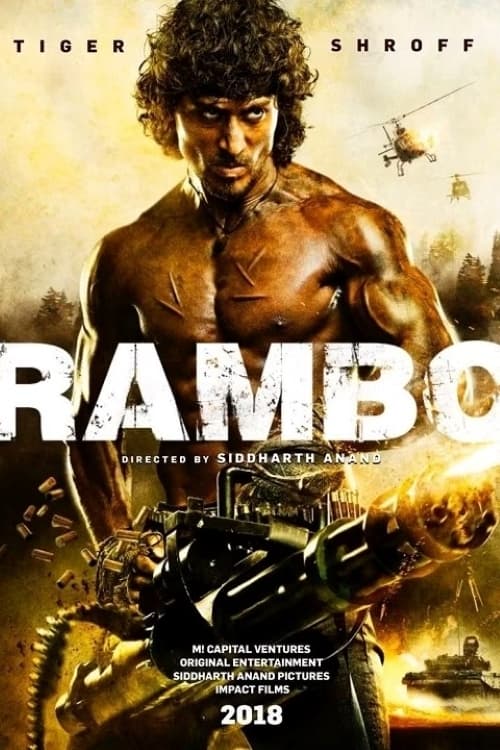
At first glance, Swaroop RSJ's Rambo (2027) may seem like a straightforward, action-packed retelling of John Rambo's early years as a Green Beret during the Vietnam War. However, upon closer inspection, the film presents a nuanced exploration of the protagonist's emotional journey, skillfully intertwined with the kinetic pace of a Bollywood action flick. One of the most striking aspects of this editing analysis is how the film's rhythmic pacing effectively conveys the emotional turmoil of its protagonist.
Navigating the Tense Landscape of War
Throughout the film, the editor's thoughtful approach to pacing masterfully crafts a sense of tension and unease, transporting viewers into the midst of the war-torn Vietnam. The swift cuts and intense montage sequences create an almost visceral experience, immersing the audience in the chaos of the battlefield. Swaroop RSJ's deft hand as director and writer allows the viewer to viscerally connect with John Rambo's turmoil, making it impossible not to feel the weight of his emotional burden.
- One key aspect of the editing is how the editor carefully balances the need for visual continuity and narrative flow. The seamless transitions between shots allow the viewer to focus on the story, rather than being distracted by jarring edits.
- The film's use of long takes also adds to the sense of immersion, drawing the viewer into the midst of the action. These extended sequences are a testament to the editor's skill and the director's vision, as they allow the audience to fully experience the intensity of the situations.
In a notable departure from the traditional Bollywood editing style, Rambo (2027) eschews traditional musical cues in favor of a more dramatic, suspense-driven approach. This bold choice effectively heightens the emotional stakes, drawing the viewer into the protagonist's downward spiral of despair. By abandoning traditional musicality, the film creates a sense of unease that is both haunting and unforgettable.
The Power of Montage in Rambo (2027)
Montage sequences, often a staple of action films, take on a new level of significance in Rambo (2027). These sequences are not merely a means to convey the passage of time but rather serve as a poignant reminder of the human cost of war. The rapid-fire cuts and disorienting imagery create a sense of dislocation, mirroring the protagonist's own disorientation. This masterful use of montage allows the viewer to intimately experience the trauma and confusion of the protagonist.
"The most powerful editing decisions are those that don't feel like editing decisions at all – they simply become an organic part of the narrative." – Swaroop RSJ, Director and Writer of Rambo (2027)
In a film that so masterfully weaves together action, drama, and adventure, the editing stands as a testament to the director's vision. By walking the fine line between intensity and emotional vulnerability, Rambo (2027) creates a cinematic experience that lingers long after the credits roll. As we reflect on this thrilling film, one question remains: can we truly separate the protagonist's emotional journey from the brutal realities of war?
Echoes of a Haunting Legacy
As we bid farewell to Rambo (2027), it's impossible not to ponder the lasting impact of this haunting film. The legacy of John Rambo's story, though often seen as a straightforward action narrative, now feels eerily complex – as if a subtle undercurrent of emotional depth was waiting to be unearthed. In this way, the editing analysis of Rambo (2027) serves as a powerful reminder that even the most seemingly straightforward tales can hold profound emotional resonance. The question lingers: will the haunting legacy of Rambo (2027) continue to captivate audiences, and what secrets lie hidden in the heart of this unyielding hero?