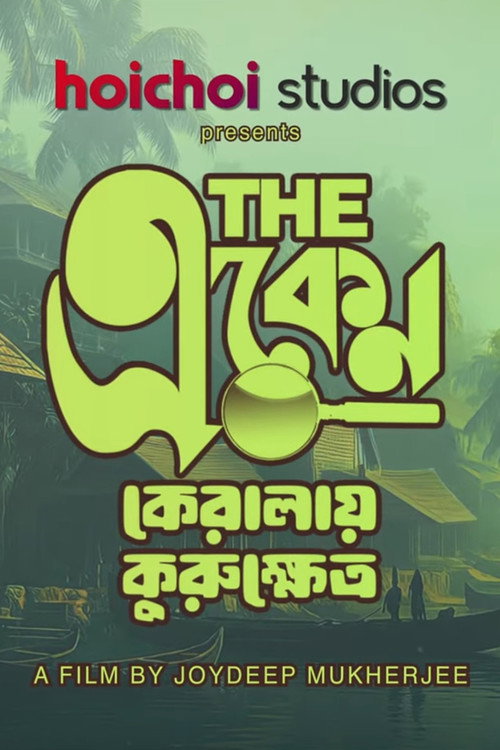
Why The Eken: Kerala-e Kurukshetra 2026 Keeps Viewers on Edgy Grounds Through Masterful Editing
The Eken: Kerala-e Kurukshetra (2026) - A Thriller That Keeps Viewers on Edgy Grounds
A Sustained Tension Through Editing
In a typical thriller, the tension is often built around a central mystery or suspenseful situation, but in "The Eken: Kerala-e Kurukshetra", director Joydeep Mukherjee skillfully employs editing to create a perpetual sense of unease, a sensation that the audience remains on edge even when the mystery unfolds at a moderate pace. Most viewers tend to overlook this masterful aspect of filmmaking, focusing instead on the plot twists and turns.
One of the key elements that contribute to this sustained tension is the effective use of montage sequences. By swiftly intercutting between different locations and storylines, the editor creates an atmosphere of chaos and unpredictability. This is particularly evident in a scene where Pramatha Samaddar (played by Somak Ghosh) is on the run from the local police. The rapid-fire cuts make the viewer feel like they're right there with Samaddar, experiencing the panic and fear as he tries to evade capture.
Furthermore, the incorporation of long takes adds an element of realism to the film. A memorable scene in which Eken Babu (played by Anirban Chakraborti) is in a prolonged conversation with a suspect is a prime example of this technique. The unbroken shot allows the viewer to fully immerse themselves in the scene, making the character's emotions more relatable and authentic.
Rhythm and Pacing
The pacing of "The Eken: Kerala-e Kurukshetra" is well-balanced, never feeling too slow or too fast. This is largely due to the efficient use of editing to maintain a consistent rhythm. The editor seamlessly transitions between intense and quiet moments, creating a narrative flow that's engaging and immersive.
The key to a well-crafted thriller is not just about shocking the audience, but also about creating a sense of anticipation and unease. In this film, the editor's thoughtful approach to pacing and rhythm achieves exactly that.
Moreover, the strategic placement of jump cuts and other editing techniques adds to the overall tension. These disorienting edits force the viewer to reevaluate their surroundings, mirroring the confusion and disorientation experienced by the characters. This clever use of editing makes the film feel more dynamic and unpredictable, keeping the audience engaged and invested in the story.
A New Era for Bengali Cinema
"The Eken: Kerala-e Kurukshetra" marks a significant moment in the evolution of Bengali cinema. Director Joydeep Mukherjee's bold approach to storytelling and his creative use of editing have raised the bar for filmmakers in the industry. This film is not just a thrilling mystery, but also a testament to the growing sophistication and maturity of Bengali cinema.
The success of "The Eken: Kerala-e Kurukshetra" is a testament to the increasing influence of international cinema on the Indian film industry. This film's incorporation of innovative editing techniques is a reflection of the growing collaboration between filmmakers from different cultures and the willingness to push boundaries and explore new storytelling methods.
Conclusion
In the end, "The Eken: Kerala-e Kurukshetra" leaves a lasting impact on the audience and the thriller genre. Its thoughtfully crafted narrative, paired with the editor's mastery of tension and pacing, creates a cinematic experience that lingers long after the credits roll. This film is a must-watch for fans of the thriller genre, not just for its gripping plot, but for its innovative approach to storytelling and editing.
The lasting impact of "The Eken: Kerala-e Kurukshetra" will be felt for years to come, inspiring a new generation of filmmakers to experiment and innovate in the art of storytelling. As a film that has broken new ground in the world of Bengali cinema, it's a testament to the power of storytelling and the boundless potential of the film industry.